The Hidden Impact of Children's Book Illustration on Adult Fine Art
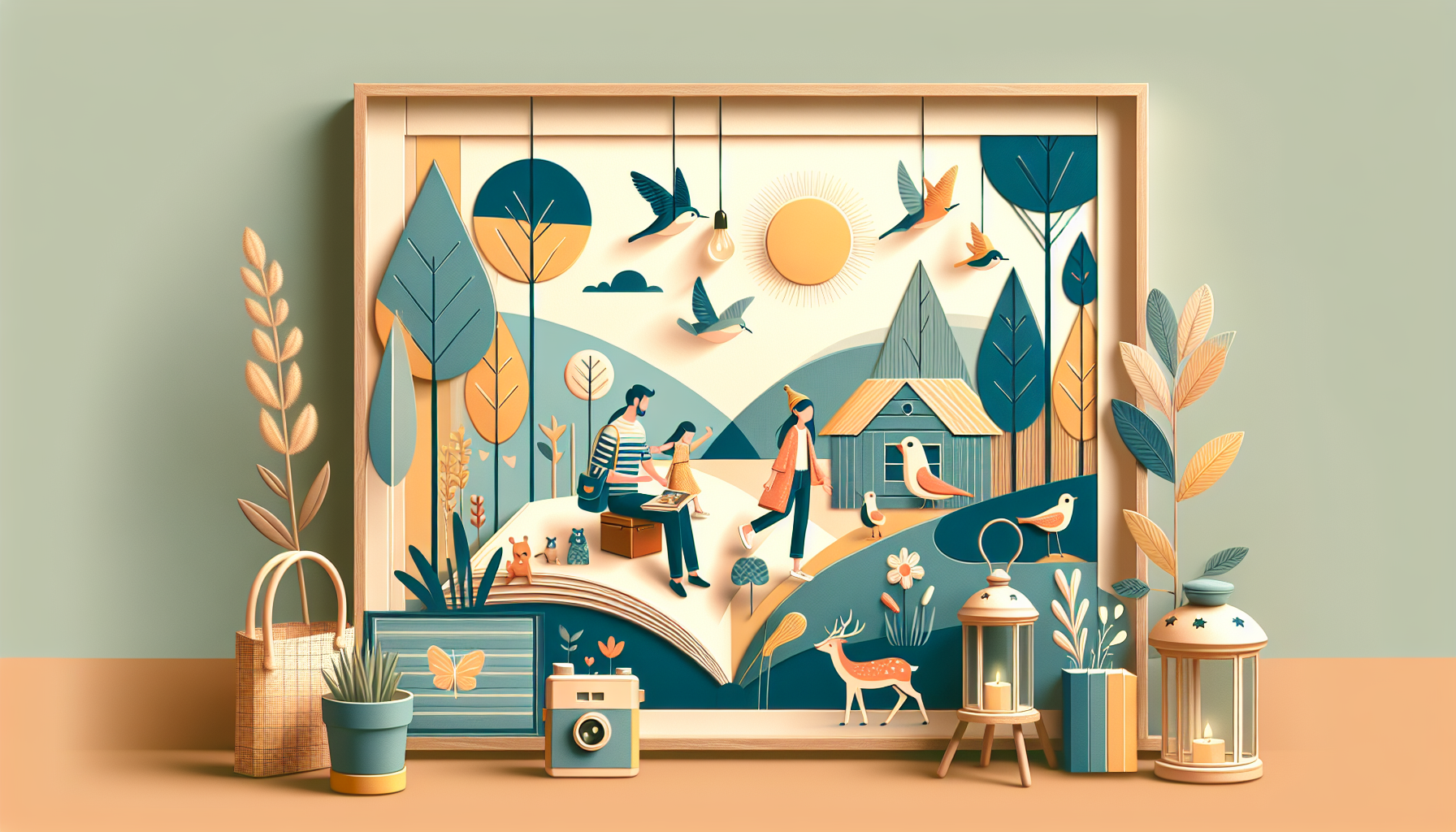
Children's book illustrations are often overlooked in the broader art world, considered more whimsical than sophisticated. Yet, these illustrations have a profound impact on adult fine art, influencing color palettes, narrative styles, and emotional depth. This article delves into how children's book illustrations have shaped fine art, offering insights into potential benefits for artists and art enthusiasts alike.
The importance of understanding this cross-generational influence lies in appreciating art's evolution and the seamless ways in which childhood imagery can evoke powerful emotions, even in adulthood. Not only does this understanding enrich one's appreciation of art, but it also provides a unique perspective on creating engaging artwork that connects with audiences of all ages.
Recognizing Core Elements in Children's Book Illustrations
At the heart of children's book illustrations are core elements that often translate into adult fine art. These include vibrant color usage, storytelling through imagery, and emotional expression. Understanding these components can enhance an artist's ability to evoke emotion and tell stories through their work.
- Vibrant Color Usage: Children's books often employ bold, bright colors to capture attention and convey emotions. Fine artists can adopt these palettes to create striking visual impact and evoke specific feelings.
Choosing the right colors involves understanding their emotional resonance. For example, warm colors like reds and oranges can convey excitement, while cool colors like blues and greens offer calmness.
- Narrative Imagery: Illustrations in children's books tell stories at a glance. Fine artists can utilize this technique to convey complex narratives without relying on text.
Practice weaving stories through images by sketching scenes from daily life or current events, ensuring each piece conveys a clear narrative.
Adapting Children's Illustration Techniques to Fine Art
While children's illustrations are often simplistic, their techniques can be adapted to create nuanced fine art. These methods include the use of patterns, balance between detail and simplicity, and character-driven storytelling.
- Use of Patterns: Repeating patterns found in children's books add texture and interest, which can be used in fine art to create rhythm and cohesion.
Experiment with patterns by incorporating elements from nature or geometric shapes, allowing them to guide the viewer's eye across the canvas.
- Balancing Detail and Simplicity: Children's book illustrators masterfully balance detail with simplicity, a skill fine artists can utilize to create focus and clarity in their work.
Start by simplifying complex scenes, focusing on essential details that capture the essence of the subject without overwhelming the viewer.
Impact on Artistic Trends and Movements
Children's book illustrations have historically influenced artistic movements like Impressionism and Modernism, where simplicity and vivid color palettes became staples. Understanding this impact provides context for current trends in fine art.
For example, the rise of abstract art shares connections with the freeform and imaginative qualities found in many children's books. Artists looking to innovate can draw inspiration from this playful and unrestricted approach.
Bringing the Influence into Your Art Practice
Incorporating elements from children's illustrations doesn't require a complete overhaul of your artistic style. Instead, consider small, intentional changes that can lead to significant growth and new directions in your work.
- Experiment with Scale: Use the larger-than-life proportions seen in children's illustrations to play with scale in your artwork, creating dynamic and unique compositions.
Begin by altering the size of key elements in your compositions, allowing them to take on new meanings and importance.
- Embrace Whimsy: Infuse your work with the playful and imaginative spirit of children's illustrations, inviting viewers to engage with the art on a deeper, more emotional level.
Let go of the constraints of realism temporarily and explore imaginative scenes and subjects, encouraging both yourself and your audience to see the world differently.
In conclusion, acknowledging and embracing the influence of children's book illustrations on fine art opens up a wide range of creative possibilities. By starting small, such as experimenting with color or pattern, artists can gradually incorporate these influences into their practice. The long-term benefits of this approach include a fresh, dynamic art style that appeals to a broad audience, encouraging personal growth and continued exploration.
Inviting this whimsical and narrative-driven influence into your art practice not only enriches your work but also provides a unique way to connect with viewers. As you explore these ideas, remember that the goal is to inspire and evoke emotions, turning each piece into a bookmark-worthy experience for your audience.
Further Reading
For more on this topic, explore: Smithsonian Magazine, Literary Hub.