The Gentle Art of Book Repair and Upcycling as Cultural Preservation
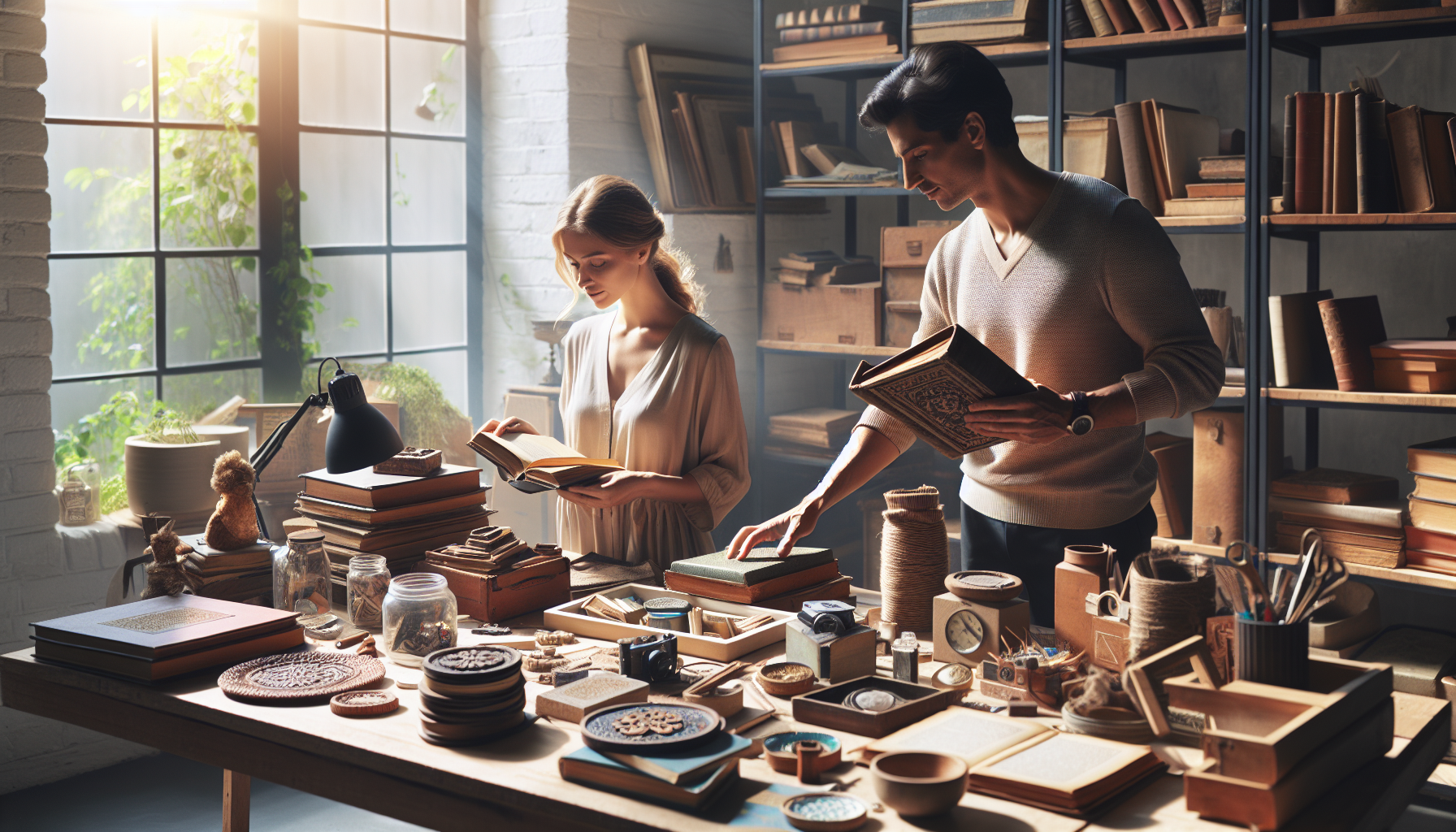
Books hold a unique place in our lives, not only as sources of information and entertainment but also as cultural artifacts. Yet, over time, they may suffer from wear and tear. The gentle art of book repair and upcycling offers a way to extend the life of these treasured objects, preserving not just the physical book but also the stories and histories they contain. In this article, we will explore practical techniques for book repair, highlight creative upcycling ideas, and discuss the cultural significance of maintaining these literary relics.
In today's fast-paced world, where digital media often overshadows print, the physical book stands as a symbol of permanence and tradition. By learning how to repair and upcycle books, we engage in an act of cultural preservation, ensuring that future generations can enjoy the tactile experience of reading and understand the craftsmanship that goes into bookmaking. This practice not only saves money but also fosters a sense of accomplishment and respect for literature and history.
Essential Tools and Materials for Book Repair
Before diving into book repair, it's vital to gather the right tools and materials. This ensures that you can tackle a variety of common issues without causing further damage to the books.
- Archival Tape: This is crucial for repairing torn pages, as it is acid-free and will not yellow over time.
- Bone Folder: A bone folder helps to create sharp creases and folds without damaging the paper.
- Book Cloth or Bookbinding Tape: Used for repairing or reinforcing covers and spines.
- PVA Glue: A flexible, acid-free adhesive perfect for reattaching loose pages or covers.
- Brushes of various sizes: For applying glue evenly without leaving streaks.
These tools are readily available at most craft or art supply stores. Choosing archival-quality materials is key, as they are designed to last and protect the book from further damage.
Step-by-Step Guide to Basic Book Repair
Repairing a book can seem daunting at first, but by following these steps, you can restore many common issues.
- Assess the Damage: Before beginning any repair, carefully flip through the book to identify all issues.
- Repair Torn Pages: Use archival tape to mend any tears. Be gentle and precise to ensure the tape adheres smoothly without wrinkles.
- Fix Loose Pages: Apply a thin layer of PVA glue along the spine where the page has come loose, pressing it firmly back into place. Allow it to dry completely before handling.
- Reinforce the Spine: If the spine is damaged, use bookbinding tape to secure it. Cut a length that matches the book's height, and apply evenly for a seamless finish.
- Clean and Polish: Use a soft, dry cloth to remove dust and debris from the book's cover and pages.
Patience is crucial in book repair. Rushing the process can lead to irreparable damage, so take your time to ensure each step is completed with care.
“The art of book repair is as much about patience as it is about precision.”
— Bookbinding Expert
Creative Upcycling Ideas for Old Books
Books that are beyond repair can still be repurposed creatively. Upcycling not only breathes new life into old books but also allows for artistic expression.
- Book Sculptures: Transform old pages into intricate sculptures, creating a unique piece of art.
- Wall Art: Use book covers or pages to create a literary-themed wall collage.
- Decorative Storage: Convert book covers into boxes or storage containers.
- Gift Wrapping: Use pages as wrapping paper for a distinctive, personal touch.
These projects encourage sustainability and creativity, turning what might be considered waste into cherished items once more.
Understanding the Cultural Importance of Books
Books are more than just paper and ink; they are vessels of knowledge and culture. By preserving and repurposing them, we maintain a tangible connection to our past. This cultural preservation not only honors the original creators but also educates future generations about the value of literature and history.
Revisiting the art of book repair and upcycling allows us to engage with tangible history. By starting with simple repairs or artistic projects, you can gradually build your skills and confidence. The long-term benefits—from saving money to reducing waste to preserving a piece of cultural heritage—are immense. Embrace this practice not only as a hobby but as a meaningful contribution to cultural preservation, inviting others to witness, share, and respect the stories encapsulated within each book.
Further Reading
For more on this topic, explore: Artsy, NYT Books.