Seasonal Foraging Getaways: Where to Learn and Taste Local Wild Foods
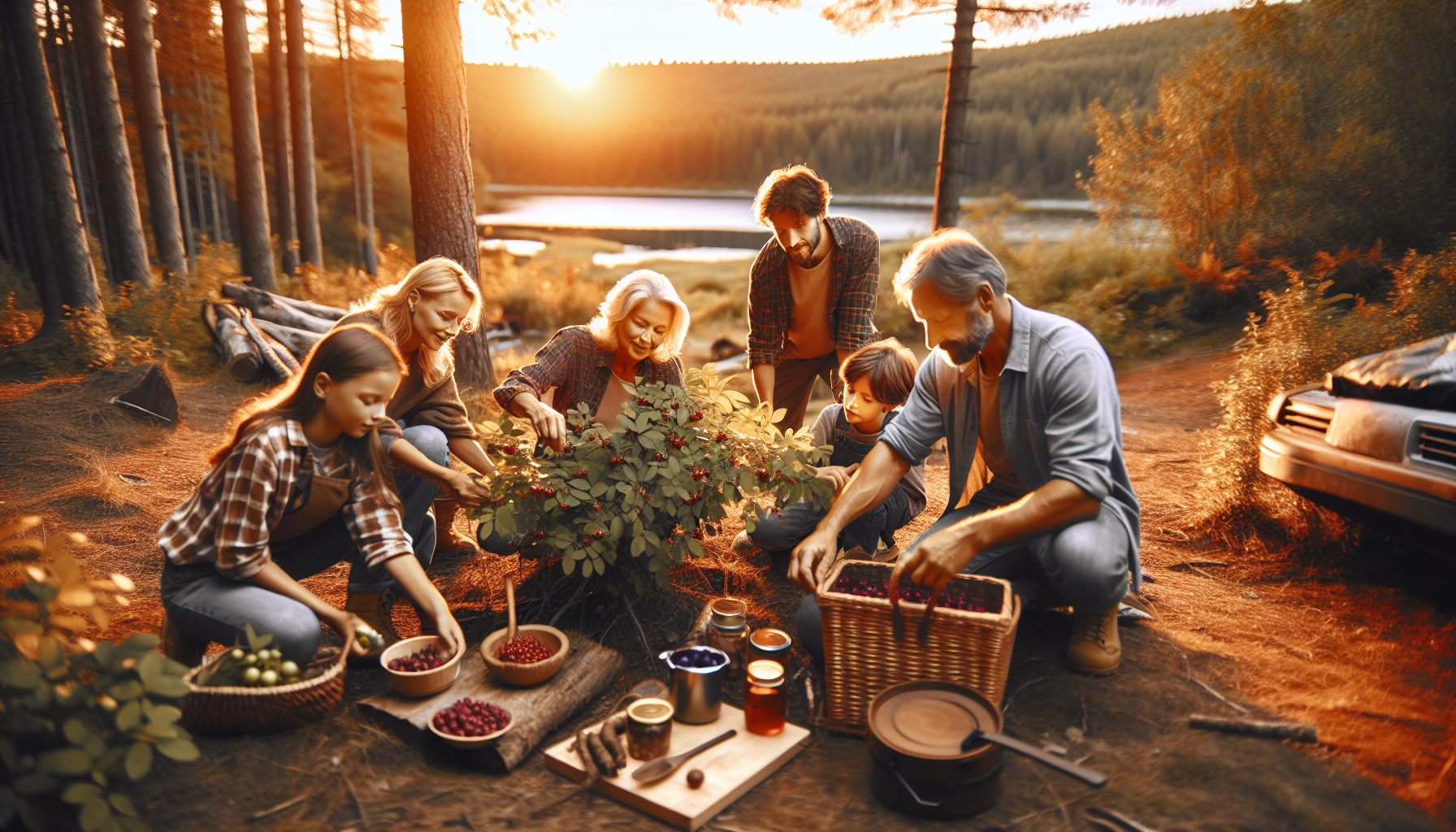
Foraging is an art that connects us with nature's bounty, offering a unique opportunity to learn about and savor wild foods in their natural habitats. Seasonal foraging getaways can transform your travel experience by combining outdoor adventure with culinary delight. In this guide, we'll explore where you can immerse yourself in the world of wild edibles, enriching both your palate and your understanding of local ecosystems.
Understanding the significance of foraging extends beyond just finding free food. It’s about building a sustainable relationship with the environment, appreciating seasonal changes, and fostering a holistic lifestyle. By participating in foraging getaways, you not only gain a deeper appreciation for the natural world but also acquire valuable skills that enhance your self-sufficiency and environmental stewardship.
Top Destinations for Seasonal Foraging
Choosing the right location is crucial for a successful foraging adventure. Different regions offer unique flora and fauna, with some places being renowned for their bounty of wild foods. Here are some top destinations to consider:
- Pacific Northwest, USA: Known for its lush forests and mild climate, this region is ideal for mushrooms, berries, and wild greens. Guided tours with local experts can enhance your discovery.
- Tuscany, Italy: Famous for truffles, Tuscany offers a blend of history, culture, and gastronomic delight. Participate in truffle hunting tours and enjoy local recipes that highlight these earthy treasures.
- Scotland’s Highlands: The rugged landscapes are rich with wild herbs, berries, and seafood. Join foraging courses that teach traditional Scottish uses of wild ingredients.
Each destination offers unique experiences that cater to different interests, from culinary enthusiasts to nature lovers. It's important to research seasonal availability, necessary permits, and local regulations to ensure a responsible foraging experience.
What to Expect on a Foraging Getaway
Foraging trips are more than just wandering through woods; they are structured learning experiences. Here’s what you can typically expect:
- Guided Tours: Led by experienced foragers, these tours provide safety and expertise. Guides can help you identify edible plants and avoid toxic look-alikes.
- Workshops and Cooking Classes: Many getaways offer classes on preparing and cooking the gathered ingredients, turning your finds into delicious meals.
- Seasonal Variations: The availability of plants varies widely by season. Spring and fall are typically the best times for foraging mushrooms, while summer is ideal for berries and greens.
Remember to respect the environment by practicing sustainable foraging methods. This includes taking only what you need and leaving enough for wildlife.
Essential Gear for Foraging
Proper equipment can enhance your foraging experience, making it safer and more enjoyable. Here's what you need:
- Foraging Basket or Bag: A sturdy basket allows for easy collection without damaging delicate plants.
- Field Guide: A reliable guidebook helps with plant identification, offering information on edible and poisonous species.
- Knife and Scissors: Useful for carefully harvesting plants and mushrooms without uprooting them.
Consider investing in waterproof gear if you're foraging in damp climates and be sure to dress appropriately for the terrain to ensure comfort and safety.
Common Mistakes and How to Avoid Them
Even experienced foragers can make mistakes. Here are some common pitfalls and how to sidestep them:
- Misidentification: This can lead to dangerous outcomes. Always double-check with a guide or expert when in doubt.
- Overharvesting: It's crucial to forage sustainably. Follow the "rule of thirds" — take one-third, leave one-third for wildlife, and one-third to regenerate.
- Lack of Preparation: Weather and terrain can change quickly. Always be prepared with the right clothing, gear, and knowledge of the area.
Being aware of these potential errors can greatly enhance your foraging success, ensuring a positive and fruitful experience.
Integrating Foraged Foods into Your Lifestyle
Once you've mastered the basics of foraging, you can begin incorporating wild foods into your daily meals. This not only adds variety and nutrition but also deepens your connection to the seasons and local environment.
- Experiment with Recipes: Start with simple dishes to explore the flavors of your finds, such as wild herb salads or berry compotes.
- Preservation Techniques: Learn methods such as drying, pickling, or freezing to enjoy wild foods year-round.
- Share Your Knowledge: Host a foraged meal for friends and family, sharing your experiences and the importance of sustainable practices.
By integrating foraged ingredients into your lifestyle, you cultivate a mindful and rewarding approach to food, enhancing both your diet and your appreciation for the natural world.
Further Reading
For more on this topic, explore: Lonely Planet, Atlas Obscura.