Quiet Coastal Drives: The Best Scenic Routes With Minimal Crowds in 2026
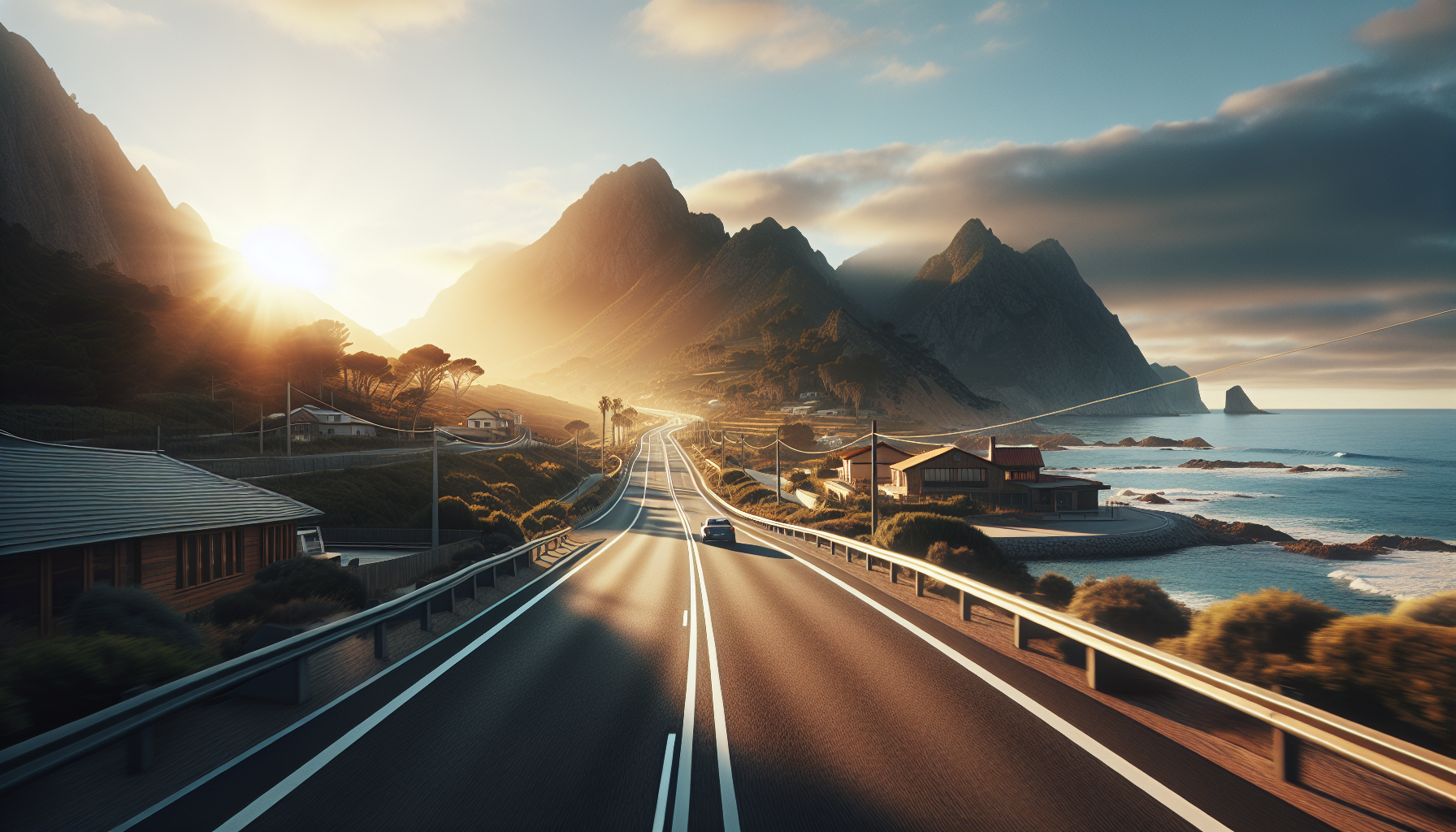
Coastal driving routes succeed when the road runs close enough to the water to feel the context — when you're looking at sea or cliffs rather than at a sound barrier and a strip mall. Four routes do this consistently: the Oregon Coast on US-101, the Cabot Trail in Nova Scotia, the Wild Atlantic Way in Ireland, and the Great Ocean Road in Victoria, Australia. Each has different logistical requirements and a different emotional register.
Oregon Coast, US-101
US-101 follows the Oregon coast for 363 miles from the California border at Brookings to the Columbia River at Astoria. The full drive takes 8–10 hours without stops; most people break it into 3–4 days. The defining characteristic of Oregon's coast is public access: all Oregon beaches are legally public, and the state maintains 80 ocean-access waysides along the route. There are no private beach communities blocking the view or the water.
Key stops heading north: Samuel H. Boardman State Scenic Corridor (27 miles north of Brookings) contains the most dramatic rock arch formations on the coast — Natural Bridges and Arch Rock are visible from short trail spurs off the highway. Bandon has a legitimate old town on the waterfront and Face Rock State Scenic Viewpoint, where sea stacks create a natural theater at low tide. Cape Perpetua Scenic Area near Yachats (USFS, day use $5) has a 2-mile loop trail to a 500-year-old Sitka spruce stand and a spouting horn at Thor's Well that photographs well at high tide. Cannon Beach, 80 miles south of Astoria, has the 235-foot Haystack Rock (third-largest coastal monolith in the world) accessible on foot at low tide. The town itself is Oregon's most tourist-developed coastal town; for something quieter, Manzanita 14 miles south has a single main street, a good bakery (Manzanita News and Espresso), and access to Nehalem Bay State Park, where the campground sits in coastal dunes ($24–$30/night, reservable at oregonstateparks.org).
Best driving season: June–September for warmest weather, though Oregon fog is a feature of the coast even in summer. October brings fewer crowds and dramatic storm light. Avoid holiday weekends — US-101 becomes a parking lot between Portland and Cannon Beach on summer Saturdays.
Cabot Trail, Nova Scotia
The Cabot Trail loops 298 kilometers around the northern tip of Cape Breton Island, through the Cape Breton Highlands National Park. The full loop from Baddeck takes 5–6 hours of driving; most visitors spread it over 2–3 days. The western side follows the Gulf of St. Lawrence with cliffs rising directly from the road; the eastern side descends into Ingonish and the Atlantic shore.
National park entry is CAD $8.50/adult/day (or included in an annual Discovery Pass at CAD $75.25). The Skyline Trail — a 9-kilometer loop from the Cabot Trail to a headland boardwalk above 300-meter cliffs — is the most-walked trail in Atlantic Canada, for reasons that become obvious at the turnaround point. Time it for late afternoon for side-lighting on the cliffs and the possibility of moose on the trail above the treeline. The trailhead has a small parking area that fills by 9:00 am in July and August; arrive before 8:00 am or after 4:00 pm.
Chéticamp, the Acadian community on the western side, has a cooperative gallery for hooked rug art and several restaurants serving traditional Acadian cuisine (fish cakes, fricot chicken stew). The Rusty Anchor on the waterfront does credible fish and chips with local haddock. In Ingonish on the eastern side, Keltic Lodge has rooms from CAD $189 and sits on a headland with views in three directions. The drive is best in late September and early October for fall color — Cape Breton's hardwood forests turn later than mainland Nova Scotia and the combination of color against the ocean backdrop is exceptional.
Wild Atlantic Way, Ireland
The Wild Atlantic Way runs 2,500 kilometers from Donegal in the northwest to Cork in the southeast, officially signed and maintained by Fáilte Ireland since 2014. The full route is too long for most single trips; the most concentrated scenery lies in a 400-kilometer section through Connemara and County Clare. The Connemara Loop (roughly 100km from Galway city through Clifden and back) covers bog, mountain, and Atlantic coast in a single day. Sky Road above Clifden (4km loop) is the most dramatic 20 minutes of driving in Ireland — narrow tarmac on a ridge with Atlantic views on both sides.
The Cliffs of Moher (204 meters, 8km of cliff face) charge €8 per adult for car park and visitor center access. They are genuinely spectacular and genuinely crowded; arriving before 9:00 am or after 5:30 pm avoids most tour buses. Doolin, 5km north, has three traditional music pubs (Gus O'Connor's, operating since 1832) and serves as a ferry point to the Aran Islands (€25 return on Doolin Ferry). Accommodation across County Clare and Connemara typically runs €90–€150 for a B&B room with breakfast; Quay House in Clifden has harbor-view rooms from €120.
Great Ocean Road, Victoria, Australia
The Great Ocean Road runs 243 kilometers from Torquay (100km southwest of Melbourne) to Allansford near Warrnambool. Built by returned WWI soldiers between 1919 and 1932 and dedicated to fallen soldiers, it is the world's largest war memorial. The road hugs sea cliffs for most of its length; the Otway Ranges rise inland to 670 meters and receive enough rainfall to support temperate rainforest within 5km of surf beach.
The Twelve Apostles (actually eight remaining stacks, the others having collapsed) at Port Campbell National Park draw the largest crowds; the helicopter tour operators at the site charge AUD $145 for a 12-minute flight. At ground level, the Gibson Steps (86 wooden steps to the beach, 700 meters east of the main viewpoint) provide a closer angle. Loch Ard Gorge, 2km west, tells the story of an 1878 shipwreck and has a beach accessible through a narrow gorge that works better photographically than the Apostles themselves. Otway Fly Treetop Walk near Lavers Hill charges AUD $29.50 and runs a 600-meter elevated walkway 30 meters above the forest floor. The best surf beaches are between Torquay and Anglesea; Bells Beach (site of the Rip Curl Pro since 1973) has a viewing platform above a right-hand reef break.