How Traditional Knot-Tying Techniques Are Influencing Modern Jewelry
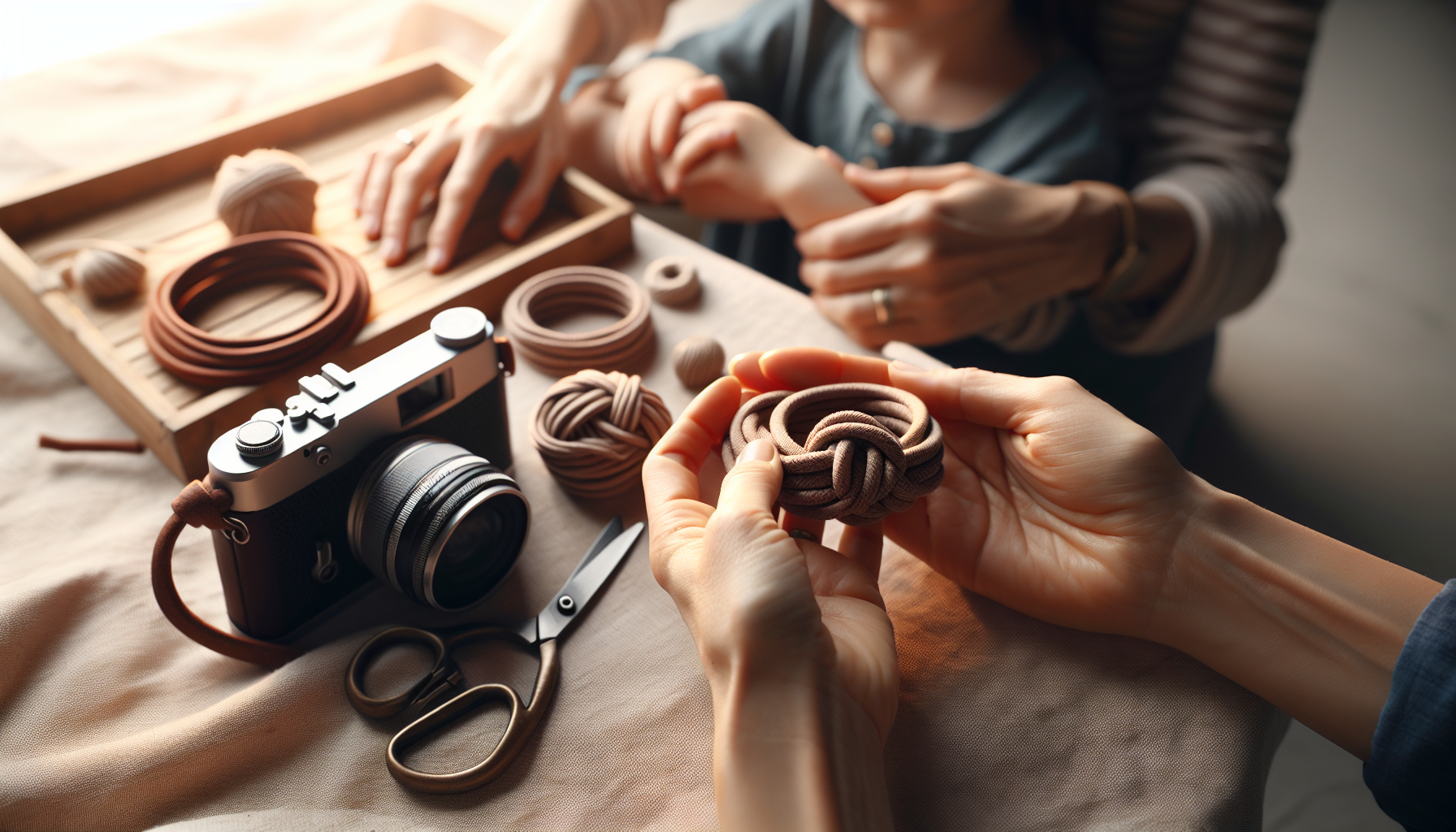
Jewelry has always been a timeless expression of personal style, but in recent years, traditional knot-tying techniques have surged in popularity, influencing modern jewelry design in unexpected ways. This integration of ancient craftsmanship with contemporary aesthetics offers unique opportunities to create personalized pieces that narrate individual stories. In this article, we'll explore the fascinating intersection of traditional knot-tying and modern jewelry, revealing how you can incorporate these techniques into your everyday wardrobe.
Understanding how traditional knot-tying techniques are making their mark on modern jewelry is not just a matter of aesthetic curiosity; it's about embracing a sustainable and highly customizable form of self-expression. By learning and applying these techniques, you can create jewelry that is as environmentally friendly as it is fashion-forward, celebrating the artistry of the past while perfectly aligning with today's style sensibilities.
Exploring the Basics of Knot-Tying in Jewelry
Before diving into the creative possibilities, it's essential to understand the fundamental knot-tying techniques that have been passed down through generations. These time-honored methods serve as the building blocks for creating intricate designs that carry personal and cultural significance.
- The Square Knot: Often used in macramé and beading, the square knot is simple yet versatile. It's a flat knot, ideal for creating patterns in bracelets and necklaces. When choosing materials, opt for cords or threads that are durable yet flexible, allowing for ease of manipulation.
- The Overhand Knot: A basic yet crucial knot, it serves as a stopper or decorative element. It's commonly used in bead stringing to prevent beads from slipping off the string. Silk or nylon thread is recommended for its strength and ability to hold tight knots.
- The Lark's Head Knot: This is frequently used in macramé and is excellent for attaching pendants or charms securely. Choose leather or sturdy cotton cords to achieve the best results.
These basic knots allow for a multitude of variations and combinations, providing a solid foundation for those new to jewelry making. Remember that practice is key, and experimenting with different materials can yield surprising and beautiful outcomes.
Incorporating Knot-Tying Techniques into Jewelry Design
Once you've mastered the basic knots, the next step is to incorporate these techniques into your jewelry designs. This process involves creativity and an understanding of how different knots can enhance the aesthetic and functional aspects of your pieces.
- Layering and Texture: Use knot-tying to add layers and textures to your jewelry. By combining different knots, you can create depth and dimension in necklaces and bracelets. Experiment with mixing materials like silk, hemp, and leather to achieve varied textures.
- Creating Focal Points: Use knots as focal points in your jewelry. A well-placed knot can draw the eye and add interest to a simple piece. Look for unique beads or charms that can complement the knots and enhance their visual appeal.
- Personalization: Knot patterns can be personalized with meaningful colors and symbols, making your jewelry unique. Consider using birthstone colors or incorporating symbolic knots that hold personal significance.
When designing, consider how the jewelry will be worn and the statement you want it to make. Knot-tying allows for endless customization, ensuring your pieces are both personal and meaningful.
Practical Tips for Beginners
If you're new to knot-tying, starting with basic projects can build confidence and skill. Here are some practical tips to help you get started:
- Start with Simple Designs: Begin with straightforward projects like a simple knotted bracelet or choker. These projects require minimal materials and can be completed quickly.
- Use High-Quality Materials: Invest in durable cords and quality beads. The materials you choose will affect the appearance and longevity of your jewelry.
- Practice Patience: Knot-tying can be intricate, and mistakes can happen. Practice patience and allow yourself to learn through trial and error.
Avoid common pitfalls such as using materials that are too slippery or weak to hold knots securely. Practice makes perfect, and each attempt helps refine your technique.
The Long-Term Benefits of Knot-Tying Jewelry
Embracing traditional knot-tying techniques in your jewelry crafting comes with numerous long-term benefits. Not only is it a rewarding and meditative hobby, but it also allows for the creation of one-of-a-kind pieces that reflect your personal style.
In conclusion, the resurgence of traditional knot-tying techniques in modern jewelry design is an exciting trend that blends time-honored craftsmanship with contemporary aesthetics. By mastering these techniques, you can create personalized, sustainable, and stylish pieces that stand the test of time. So, why not start with one or two projects and explore the creative possibilities of knot-tying today?
Further Reading
For more on this topic, explore: NYT Books, Artsy.