How Slow Travel in Small Coastal Towns Is Redefining Relaxation
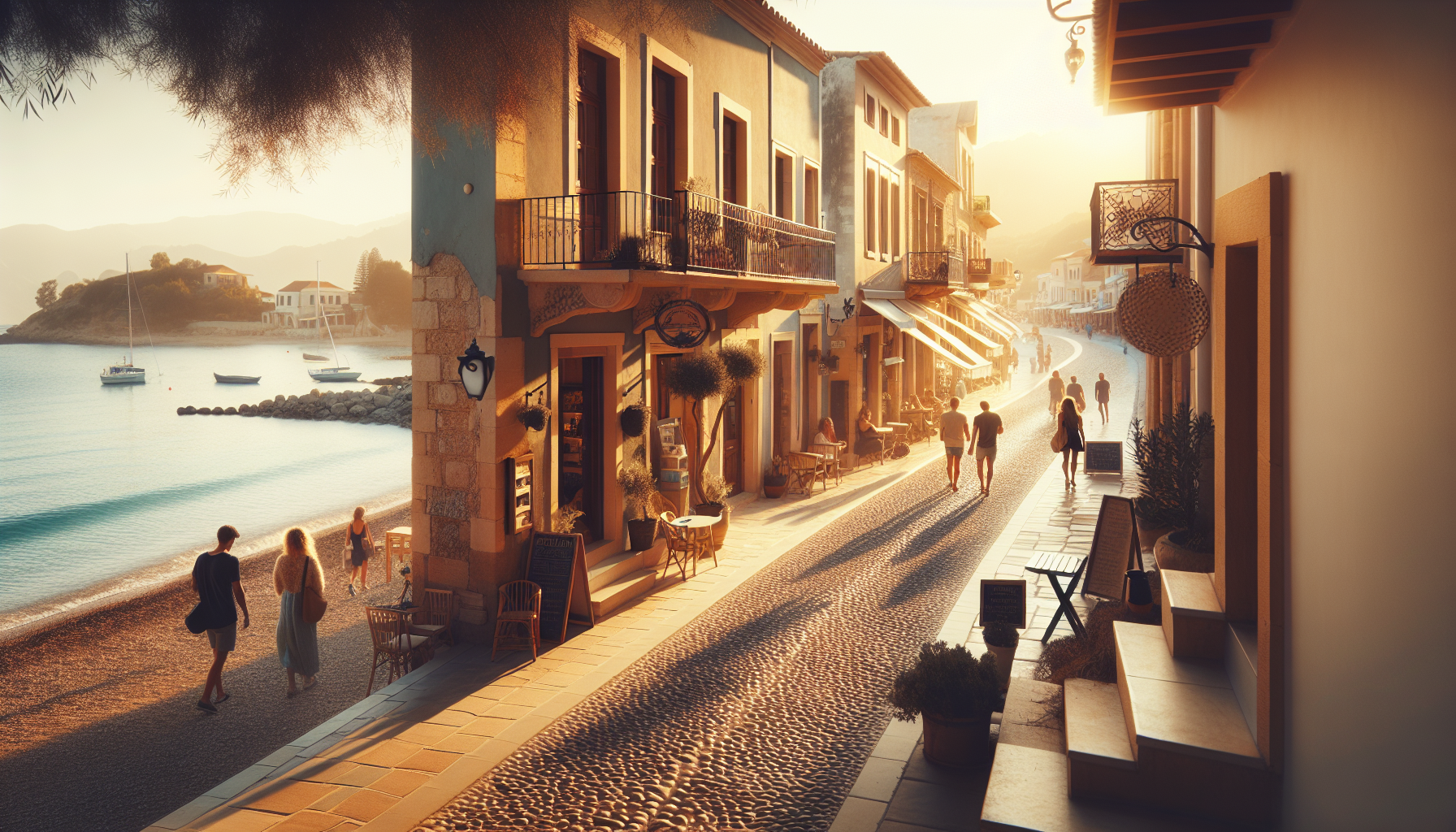
In an increasingly fast-paced world, the allure of slow travel in small coastal towns offers a refreshing escape from the hustle and bustle of everyday life. This article explores how embracing a more leisurely approach to travel can redefine relaxation, allowing travelers to immerse themselves in the authentic charm of coastal communities. You'll discover practical tips for planning your next slow travel adventure, how to savor each moment, and the long-term benefits of adopting this mindful travel mindset.
Slow travel matters because it emphasizes quality experiences over quantity, encouraging travelers to connect deeply with their surroundings. This approach saves time by reducing the pressure to see and do everything, ultimately creating a more meaningful and rejuvenating vacation. By focusing on fewer destinations, travelers can build confidence in navigating new environments and enjoy sustainable benefits like reduced travel stress and a smaller carbon footprint.
Choosing the Right Coastal Town
Finding the perfect small coastal town is the first step to a successful slow travel experience. Consider destinations known for their rich local culture, natural beauty, and laid-back atmosphere. Avoid overly touristy areas to ensure a more authentic experience.
- Research towns with accessible public transportation to minimize the need for a car and explore at your own pace.
- Look for areas with a strong sense of community and unique traditions that you can engage with.
One common mistake is underestimating the travel time between towns. Slow travel doesn't mean spending hours navigating roads; it means immersing yourself in one place. Choose a town where you can settle in and explore without rushing.
Accommodation Tips for Long Stays
Opting for accommodations that reflect the local character enhances your slow travel experience. Consider staying in family-owned bed and breakfasts, boutique inns, or vacation rentals.
- Select lodging that offers amenities like kitchenettes or laundry facilities, allowing for a more self-sufficient stay.
Avoid chain hotels that might detach you from the local culture and community. Instead, seek out places where you can engage with locals and learn about the area’s history and hidden gems.
"The key to authentic travel is living as the locals do, if only for a short while." — Travel enthusiast
Engaging with the Community
A significant aspect of slow travel is connecting with the local community. Attend local events, visit farmers' markets, and dine at family-owned restaurants to immerse yourself in the culture.
- Participate in workshops or classes to learn local crafts, cooking techniques, or language basics.
- Volunteer for community projects to give back and gain unique insights into the town's daily life.
Be mindful of respecting local customs and traditions. It's important to approach with an open mind and genuine interest, avoiding the pitfall of being a passive tourist.
Maximizing Relaxation through Mindful Activities
Slow travel is about savoring every moment, which can be enhanced by engaging in mindful activities. These activities can vary depending on the season and the specific coastal environment.
- Consider outdoor yoga or meditation sessions by the ocean to connect with nature.
- Engage in leisurely walks along the beach or through quaint town streets, allowing time for reflection.
Avoid overscheduling your days. The essence of slow travel is to let serendipity guide your experiences, leaving room for unexpected discoveries and moments of spontaneous joy.
Environmental Benefits of Slow Travel
Slow travel inherently promotes a more sustainable approach to tourism. By spending extended periods in one location, travelers reduce their carbon footprint and contribute positively to local economies.
- Choose eco-friendly accommodations and support businesses that prioritize sustainability.
- Reduce waste by carrying reusable items like water bottles, shopping bags, and utensils.
While embracing slow travel, be aware of the impact you have on the environment. Strive to leave no trace and respect natural habitats and wildlife.
In conclusion, slow travel in small coastal towns offers a unique opportunity to redefine relaxation and experience the world at a more deliberate pace. Begin by choosing a destination that resonates with you and take small steps towards integrating into the local culture. Over time, this approach can lead to less stress and a deeper appreciation for the journey, rather than just the destination. By experimenting with slow travel, you'll discover personal adaptations that make each trip uniquely fulfilling, all while contributing to the well-being of local communities and the planet.
Further Reading
For more on this topic, explore: Lonely Planet, Atlas Obscura, Condé Nast Traveler.