How Repurposed Paper Collage Is Quietly Reshaping Mixed-Media Work
In the art world, repurposed paper collage is quietly carving out its niche, transforming mixed-media work with its sustainable and accessible charm. This technique not only allows for creative expression but also offers an eco-friendly way to incorporate diverse textures and patterns into artwork. Whether you're a seasoned artist or a beginner eager to explore new mediums, understanding the nuances of repurposed paper collage can enhance your artistic repertoire and inspire sustainable practices in your creative journey.
Collage art, particularly with repurposed paper, brings significant benefits to everyday life by promoting sustainability and reducing waste. By reusing materials like old magazines, newspapers, and scraps of colored paper, artists can create visually stunning pieces without the need for new supplies. This method saves time and money, while also encouraging a mindful approach to resources. The tactile process of collaging can also boost confidence as artists see their vision come to life through intentional layering and arranging.
Getting Started with Repurposed Paper Collage
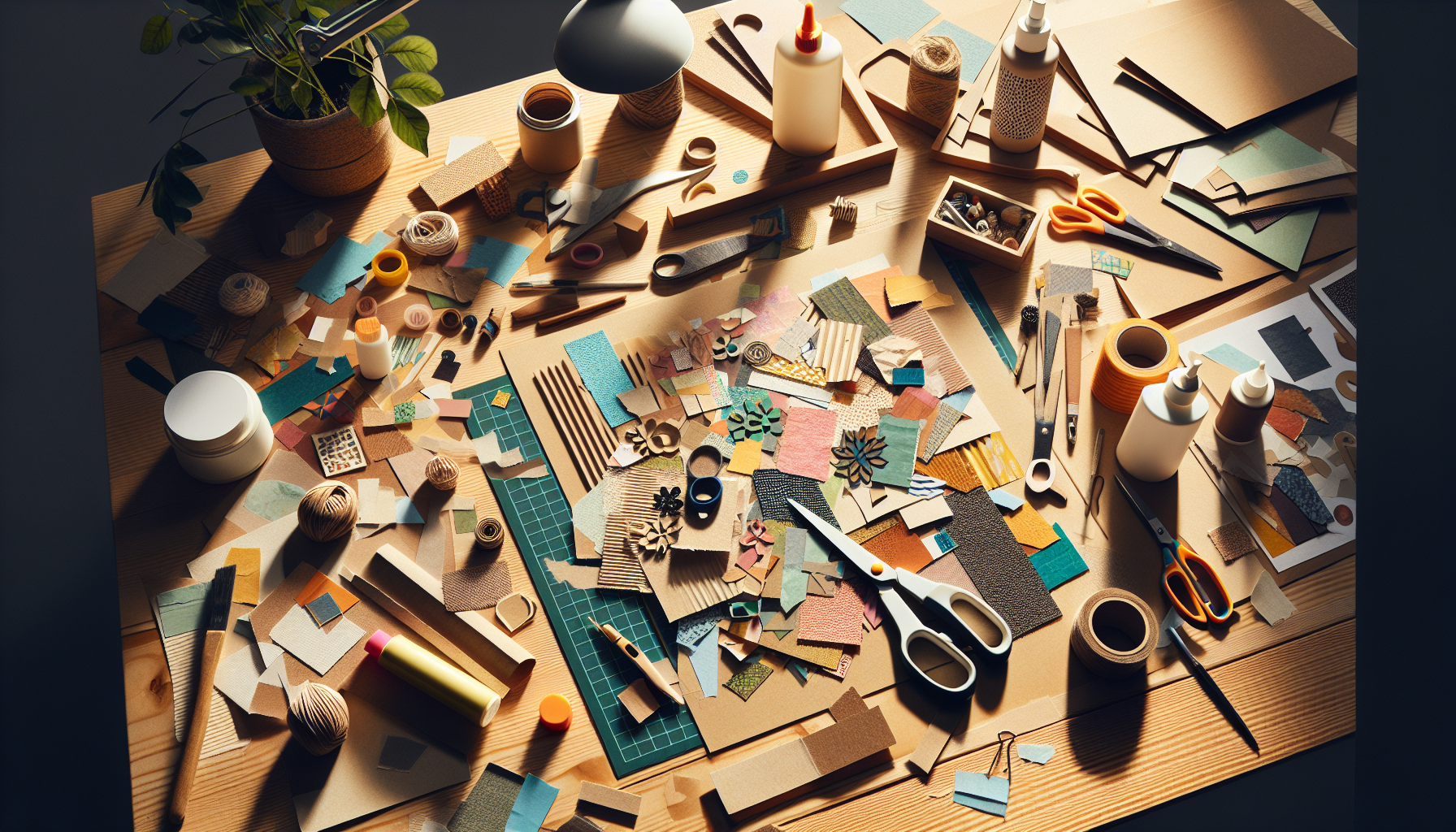
Before diving into repurposed paper collage, it's essential to gather fundamental materials that will serve as the backbone of your creations. The key is to collect a diverse array of paper sources that provide varying textures, colors, and patterns. This variety adds depth and interest to your artwork, making it engaging and dynamic.
- Selecting Paper: Start by collecting old magazines, newspapers, wrapping paper, and even discarded book pages. Look for papers with different weights and finishes to create contrast.
- Adhesives: Choose a reliable glue or adhesive medium that suits your paper types. Glue sticks work well for lighter papers, while gel medium provides a stronger hold for heavier materials.
- Cutting Tools: Invest in a good pair of scissors and a craft knife for precision cutting. These tools allow for intricate designs and clean edges.
When selecting materials, focus on color schemes and themes that resonate with your artistic vision. Avoid falling into the trap of hoarding too much material; instead, curate your collection to ensure each piece contributes to your desired outcome.
Techniques for Creating Compelling Collages
With your materials ready, it's time to explore various techniques to elevate your collage work. Techniques such as layering, tearing, and juxtaposition can add complexity and meaning to your pieces.
- Layering: Start by creating a base layer with larger pieces and gradually build up with smaller, intricate details. This adds dimension and depth to your collage.
- Tearing: Use your hands to tear paper instead of cutting it. This creates softer edges and a more organic look.
- Juxtaposition: Combine contrasting images or colors to create visual tension and intrigue. This technique can evoke emotions and stimulate viewer engagement.
Experiment with different techniques to find your unique style. Remember that mistakes are part of the creative process, and each "error" is an opportunity to discover new possibilities within your work.
Incorporating Repurposed Paper Collage into Other Art Forms
Repurposed paper collage isn't limited to standalone artworks; it can be seamlessly integrated into other art forms to add layers and richness. Whether it's enhancing a painting or creating a backdrop for photography, collaging offers versatility.
- Mixed-Media Paintings: Use collage elements to add texture and pattern within painted compositions. This can create focal points or provide a contrasting background.
- Photography: Incorporate collage into photo frames or as part of a photo journal to add a personal, artistic touch.
- Interior Design: Create large-scale collage pieces to serve as unique wall art, bringing personality and a touch of sustainability to home decor.
When combining collage with other art forms, consider the overall balance of textures and colors to ensure cohesion. This integration should enhance the primary medium, not overpower it.
Overcoming Common Challenges in Collage Art
Like any artistic endeavor, working with repurposed paper collage comes with its own set of challenges. From paper warping to adhesive issues, these hurdles can be overcome with a bit of preparation and the right techniques.
- Paper Warping: To prevent warping, apply adhesive evenly and allow ample drying time. Using a brayer can help smooth out air bubbles.
- Adhesive Control: Avoid using too much glue, which can seep through paper and cause it to disintegrate. Opt for a glue stick for thin papers.
- Color Bleeding: When using printed paper, test the glue on a small section to ensure colors don't bleed. Seal finished pieces with a fixative to protect them.
Anticipate these challenges and prepare solutions in advance to ensure a smooth creative process. With practice, these obstacles will become less daunting, allowing for a more enjoyable art-making experience.
In conclusion, repurposed paper collage is an accessible and eco-friendly art form that enriches mixed-media work. By starting small, perhaps with a single collage project or incorporating elements into an existing piece, artists can gradually integrate this technique into their practice. Over time, the benefits of using sustainable materials, experimenting with textures, and developing a unique style will accumulate, leading to a more fulfilling creative journey. Embrace the flexibility of collage, and allow it to inspire new directions in your art. Remember, there are no strict rules—only opportunities to explore and innovate.
Further Reading
For more on this topic, explore: Literary Hub, The Guardian Culture.