How Practical Lighting Is Quietly Elevating Dialogue-Driven Series
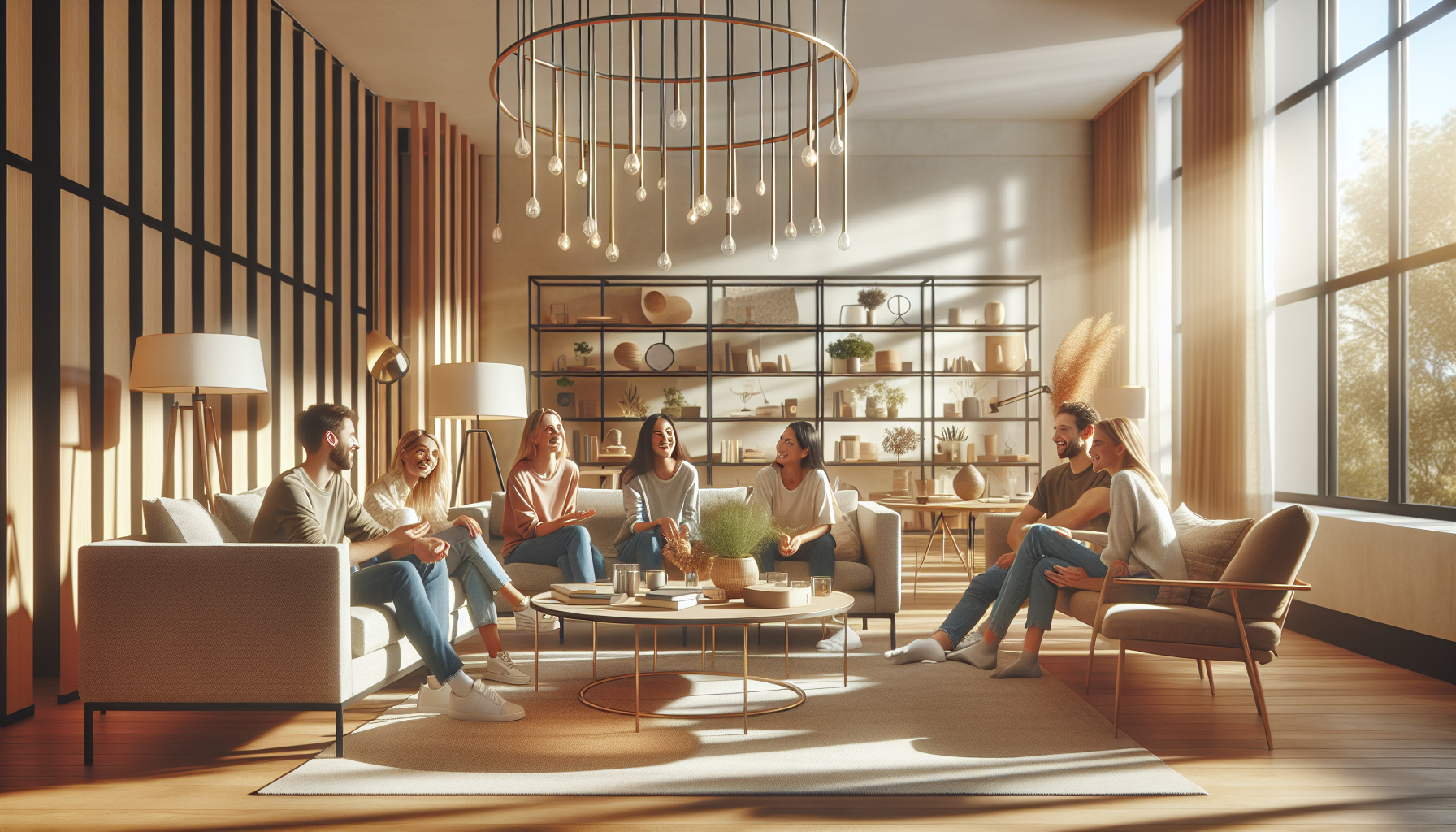
In recent years, dialogue-driven series have emerged as a beloved genre among avid television viewers. These series, characterized by intricate storytelling and character development, rely heavily on the nuances of conversation. While scripts and performances are pivotal, practical lighting is quietly playing an essential role in elevating the ambiance and mood of these series. This article will explore how thoughtful lighting techniques contribute to the storytelling in dialogue-driven series, offering insights for television enthusiasts and budding filmmakers alike.
Lighting in television and film goes beyond illuminating a scene; it helps in setting the tone, highlighting emotions, and drawing viewers deeper into the narrative. In dialogue-driven series, where conversations carry the plot forward, practical lighting can subtly emphasize shifts in mood and character dynamics. Implementing these techniques in home viewing setups or amateur video production can enhance the immersive experience, making it more engaging and intimate.
Understanding the Role of Practical Lighting
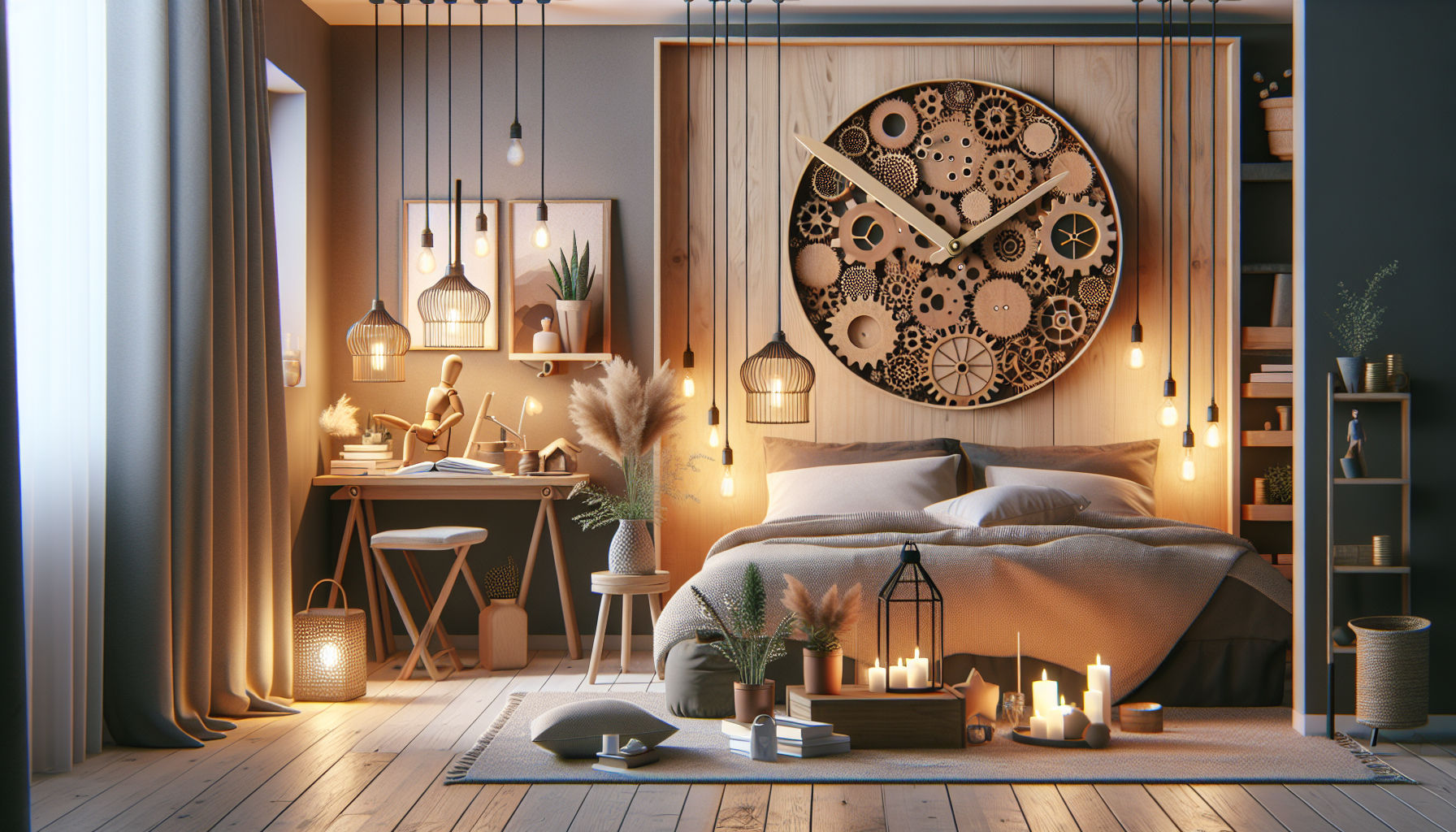
Practical lighting refers to light sources that are visible within the scene, such as lamps, candles, or natural light from windows. These sources are not only functional but also serve as key elements in the composition of a shot. In dialogue-driven series, practical lighting helps create a realistic environment, allowing viewers to feel as though they are part of the conversation.
- Lamps and Fixtures: Use strategically placed lamps to create warm, inviting spaces. Choose fixtures that align with the scene's aesthetic for added authenticity.
- Candles and Firelight: These are excellent for creating intimate, moody settings. Ensure adequate safety measures when incorporating open flames.
- Natural Light: Harness daylight to evoke a sense of realism. Position actors and objects to make the best use of available sunlight.
Effective use of practical lighting requires careful planning. Consider the time of day and the intended emotional tone of the scene. Avoid over-lighting, which can distract from the natural feel, and be mindful of shadows that may unintentionally obscure facial expressions or key visual cues.
Techniques for Enhancing Mood and Atmosphere
Lighting can transform a simple setting into a dynamic space that enhances the dialogue taking place. By adjusting the intensity and color temperature of light sources, filmmakers can subtly influence how a scene is perceived.
- Dimmer Switches: Installing dimmers allows for precise control over light levels, perfect for transitioning between different emotional beats in a scene.
- Colored Bulbs: Experiment with different hues to convey mood changes. For example, warm tones can suggest comfort, while cooler tones might indicate tension.
- Texture and Patterns: Use light to cast interesting shadows or patterns on walls, adding depth and intrigue to a conversation-heavy scene.
Pay attention to how light interacts with the characters' faces and surroundings. Harsh lighting can create unwanted glare or highlight imperfections, while soft, diffused lighting can flatter and focus attention on important gestures and expressions.
"Lighting is the silent narrator of film, guiding us through the story without uttering a word."
— Film lighting expert
Practical Lighting for Home Viewing
For viewers looking to enhance their home viewing experience, practical lighting can make a notable difference. By mimicking the lighting setups used in professional series, you can create an inviting atmosphere that enhances immersion.
- Ambient Lighting: Create a cozy environment by using lamps with warm bulbs and positioning them at different heights and angles around the room.
- Screen Bias Lighting: Install LED strips behind your TV to reduce eye strain and make colors appear more vibrant.
- Adjustable Fixtures: Consider using clamp lights or adjustable sconces to direct light precisely where it's needed, minimizing unnecessary glare.
When setting up home lighting, think about the seating arrangement and ensure that light sources do not cause reflections on the screen. Incorporating smart lighting systems allows for quick adjustments to suit different genres or personal preferences.
Common Mistakes and How to Avoid Them
Despite its importance, lighting is often overlooked in amateur productions or home setups, leading to a less than optimal experience.
- Overhead Lighting: Avoid relying solely on ceiling lights, which can create flat, unflattering illumination. Instead, layer different types of light for a richer effect.
- Lack of Direction: Consider the direction of your light sources. Front lighting can appear harsh, while side or backlighting can add depth and interest.
- Ignoring Color Temperature: Mixing bulbs of different color temperatures can create an inconsistent and distracting visual experience.
To refine your setup, test different configurations and observe how each change impacts the atmosphere. Small adjustments can lead to significant improvements in the overall feel of a scene.
In conclusion, practical lighting, though often overlooked, is a powerful tool in the creation of dialogue-driven series. By starting with a few key elements and gradually incorporating more sophisticated techniques, viewers and aspiring creators can enrich their understanding and enjoyment of this genre. The cumulative benefits of well-thought-out lighting strategies include greater immersion, enhanced storytelling, and a more engaging viewing experience. Experiment with lighting in your own home or projects to see how these subtle changes can quietly yet profoundly elevate your visual narrative.
Further Reading
For more on this topic, explore: Rotten Tomatoes, BFI.