How Practical Creature Design Is Making a Comeback in Fantasy
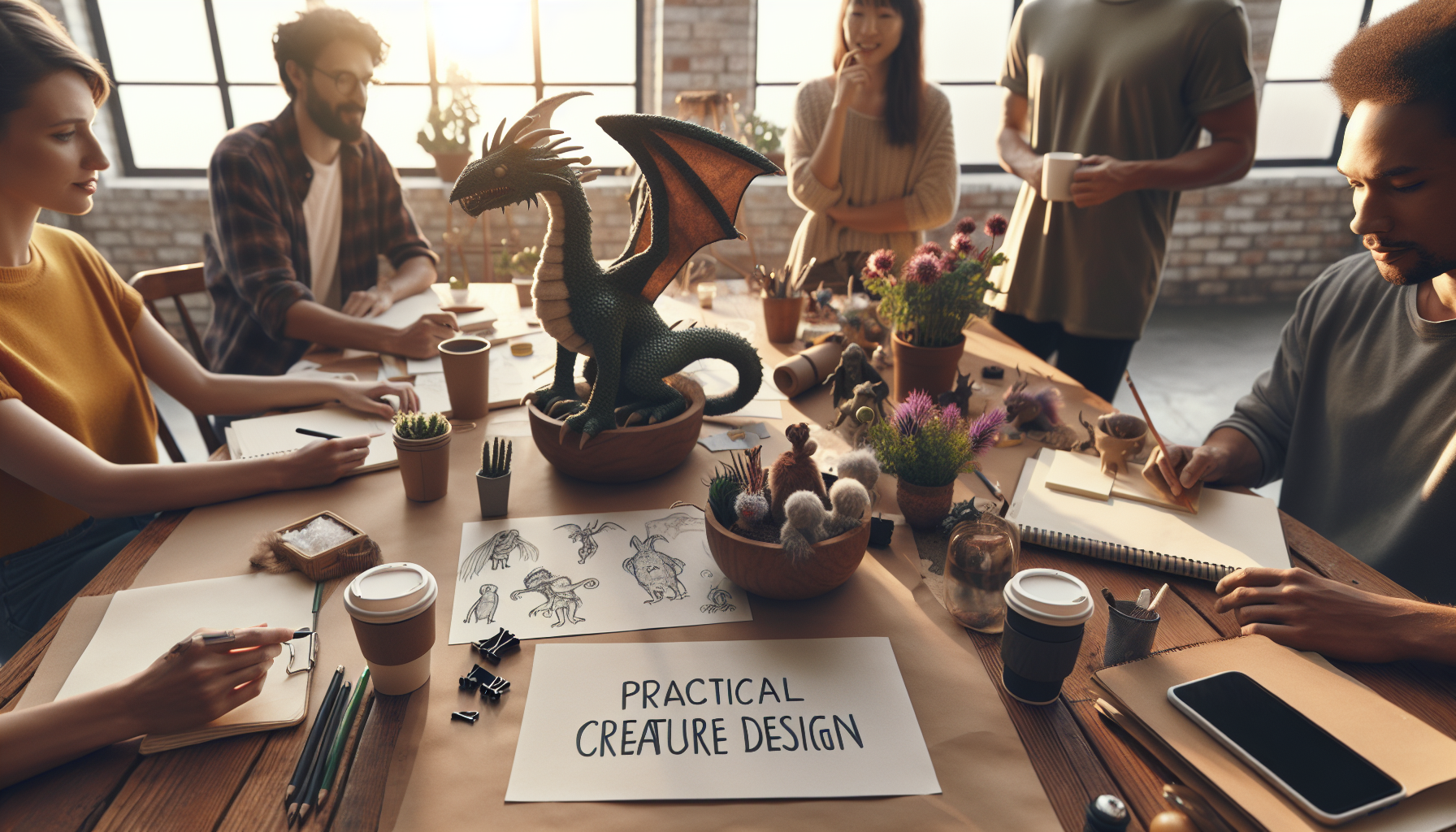
In the realm of fantasy, where imagination weaves its most intricate tapestries, the art of practical creature design is experiencing a resurgence. For years, digital effects dominated the scene, but now artists and filmmakers are returning to hands-on methods, merging traditional craftsmanship with modern sensibilities. This article delves into the reasons behind this trend and offers insight into how practical design can enhance fantasy worlds, providing creators with tangible benefits and audiences with a richer viewing experience.
In everyday life, the return to practical creature design represents a broader movement towards authenticity and tactile engagement. While digital effects offer convenience and spectacle, practical design offers a sense of realism and tangibility that digital methods often lack. This tactile quality not only saves time and resources in the long run but also fosters a deeper connection between creators and their work. By exploring the resurgence of practical creature design, creators can draw inspiration for their own projects and everyday problem-solving, embracing sustainable methods that build confidence and creativity.
The Importance of Tangibility in Creature Design
One of the primary reasons for the comeback of practical creature design is the tangible, lifelike quality it brings to fantasy productions. Unlike digital effects, which can sometimes feel artificial, practical designs create a grounded sense of reality that enhances storytelling.
- Why it works: Practical creatures interact directly with the environment and actors, enhancing performances and realism.
A key example of this is the use of animatronics and puppetry, which require careful craftsmanship and attention to detail. By focusing on these techniques, designers can create creatures that not only look real but also move and behave in believable ways. The tactile nature of practical design also allows for more spontaneous interaction on set, leading to unique, unscripted moments that enrich the narrative.
The Revival of Traditional Craftsmanship
As the world of fantasy embraces practical creature design, there is a renewed appreciation for traditional craftsmanship. Skills that were once on the verge of being lost are now being revived, with artisans and designers honing their abilities in sculpting, mold-making, and painting.
- How to choose and use: Identify workshops or courses that offer training in these art forms, or seek mentorship from experienced craftsmen to refine your skills.
Traditional craftsmanship not only provides a sustainable approach to creation but also allows for a personal touch that digital methods cannot replicate. By investing time in learning these skills, creators can produce unique pieces that stand the test of time. Moreover, this revival promotes a sense of community among artists, encouraging collaboration and the sharing of techniques.
Integrating Modern Technology with Practical Effects
The resurgence of practical creature design doesn't mean abandoning technology altogether. Instead, it involves a harmonious integration of traditional methods with modern innovation. By combining practical effects with digital enhancements, creators can achieve the best of both worlds.
- Best practices: Use digital tools to augment rather than replace practical effects, ensuring a seamless blend that maintains realism.
For instance, while practical effects can handle the base structure and movement of a creature, digital tools can be used to add subtle details like textures or atmospheric elements. This combination allows for flexibility in design and can help overcome limitations that practical methods alone might present. By thoughtfully integrating technology, designers can push the boundaries of what's possible, all while preserving the authenticity of their creations.
Practical Design for Diverse Environments
One of the advantages of practical creature design is its adaptability to different environments and scenarios. Unlike digital effects, which require extensive post-production work, practical designs can be tailored to suit a wide range of settings and conditions.
- Common Pitfalls and Solutions: Avoid over-complicating designs with unnecessary details. Instead, focus on core elements that define the creature and enhance its role in the story.
By understanding the environmental context, designers can create creatures that seamlessly blend into their surroundings, whether it be a lush forest or a barren desert. This contextual approach not only enhances the visual coherence of a production but also allows for more efficient use of resources. Creators can experiment with materials and techniques suited to specific environments, resulting in unique and innovative designs.
As practical creature design continues to make its comeback in fantasy, it's essential for creators to embrace this trend by starting small and gradually incorporating tangible elements into their projects. The long-term benefits of this approach include more authentic storytelling, increased viewer engagement, and a deeper connection to the craft. By experimenting with different techniques and integrating them into everyday projects, creators can enjoy a renewed sense of creativity and confidence. Whether you're a seasoned designer or a beginner, the world of practical creature design offers endless opportunities for innovation and personal growth.
Further Reading
For more on this topic, explore: Eater, Dezeen, Bon Appétit.