How Location Filming Is Redefining Travel-Inspired TV Narratives
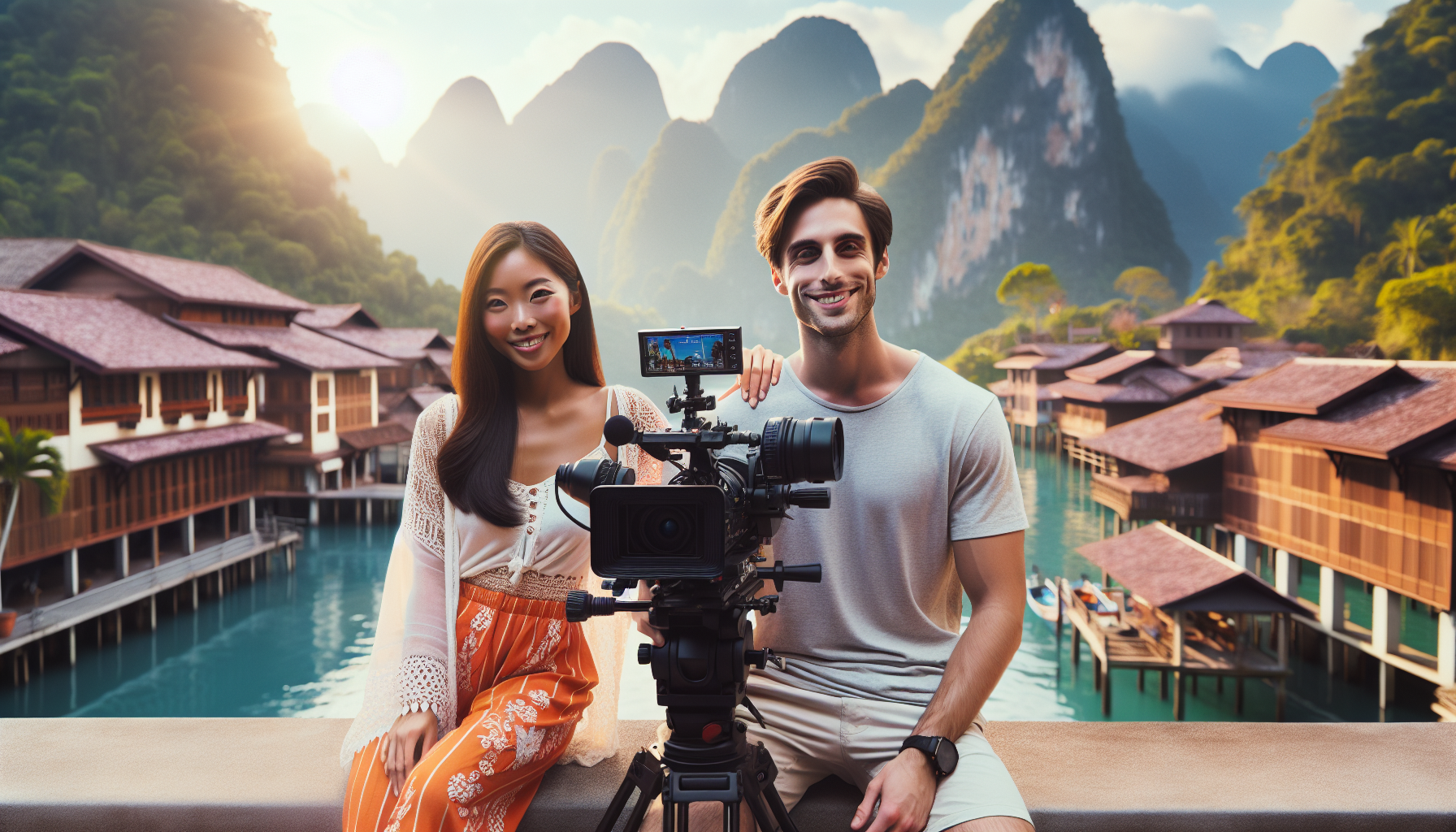
In an age where storytelling transcends traditional boundaries, the art of filming on location is breathing new life into travel-inspired TV narratives. No longer confined to studio backlots, directors and producers are venturing into the heart of the real world to capture stories that resonate with authenticity and deeper cultural insights. This article delves into how location filming is redefining these narratives, offering you practical insights into the magic behind the scenes and how it transforms our viewing experiences into a genuine wanderlust journey.
Incorporating real-world locations into TV shows not only enhances the visual appeal but also instills a genuine sense of place that can transport viewers to distant lands within the comfort of their living rooms. This matters because it fosters cultural exchange, fuels the imagination, and encourages sustainable tourism by highlighting diverse destinations. By understanding the dynamics of location filming, you can appreciate the intricate details that contribute to the storytelling process, from the bustling streets of a foreign city to the serene landscapes of a remote village.
Choosing the Right Locations
The journey of creating a travel-inspired TV narrative begins with selecting the perfect filming locations. Producers and directors often opt for settings that complement the storyline and enhance the overall narrative arc. Factors such as cultural relevance, historical significance, and visual aesthetics play crucial roles in this decision-making process.
- Consider Cultural Significance: Locations rich in history and culture add depth to narratives. Whether it's the ancient ruins of Greece or the bustling markets of Marrakech, these settings provide a backdrop that enriches the storyline and engages viewers on a deeper level.
Choosing the right location can be a double-edged sword; while it holds the power to elevate a narrative, it also requires a keen understanding of logistical challenges, such as permits, weather conditions, and local regulations. Avoid common pitfalls by conducting thorough research and collaborating with local experts to ensure the authenticity and feasibility of the shoot.
Enhancing Storytelling with Real-Life Settings
Filming on location infuses stories with realism, making narratives relatable and immersive. It allows for genuine interactions between characters and their environments, fostering a connection that resonates with audiences. Moreover, viewers gain a more profound understanding of the locale's culture, traditions, and way of life.
- Leverage Natural Beauty: Utilize the natural landscape to enhance the atmosphere and mood of scenes. Iconic landmarks and hidden gems alike can serve as visual anchors that captivate audiences and complement the storyline.
Seasonal variations play a significant role in how locations are perceived. Filming during different times of the year can drastically alter the narrative's tone. For instance, a bustling summer beach can transition into a hauntingly serene winter landscape, offering diverse storytelling opportunities.
Showcasing Local Culture and Traditions
Location filming offers an unparalleled opportunity to spotlight local culture and traditions, providing viewers with an authentic experience that studio productions often lack. By capturing the essence of a destination, TV shows can offer a window into the lives of its inhabitants, fostering empathy and understanding.
- Engage with Local Communities: Collaborate with local talent and experts to ensure cultural accuracy and sensitivity. This approach not only enriches the narrative but also supports the local economy by providing job opportunities and promoting sustainable tourism.
However, it's essential to strike a balance between showcasing culture and avoiding cultural appropriation. Producers must approach narratives with respect and mindfulness, honoring the traditions and perspectives of the communities involved. Avoid perpetuating stereotypes by portraying diverse characters and storylines that reflect the complexity of the real world.
The Impact of Technology on Location Filming
Advancements in technology have revolutionized location filming, enabling filmmakers to capture breathtaking visuals and seamless storytelling. High-definition cameras, drones, and virtual reality tools allow for innovative perspectives and dynamic shots that enhance viewer engagement.
- Utilize Drones and VR: Drones offer unparalleled aerial views, adding a grandiose element to storytelling, while virtual reality provides an interactive experience that immerses viewers in the narrative.
Despite the technological advantages, it's crucial to maintain the authenticity of the narrative. Over-reliance on technology can detract from the story's emotional core. Instead, use technology as a tool to complement and enhance the narrative without overshadowing the human element.
In conclusion, location filming has become an integral component of modern TV narratives, transforming how stories are told and consumed. By understanding the significance of real-world settings, you can gain a deeper appreciation for the intricate process behind crafting travel-inspired narratives. Starting small with one or two location-based shows can open your eyes to the potential of this storytelling technique. Over time, you'll find yourself drawn to the authenticity and depth that location filming brings, fostering a greater connection with the world around you. Embrace the journey and explore the possibilities that await in every corner of the globe, without the pressure of a plane ticket or a packed suitcase.
Further Reading
For more on this topic, explore: Variety, Pitchfork, BFI.