How Layered Paper Cut-Outs Are Redefining Shadow Art Installations
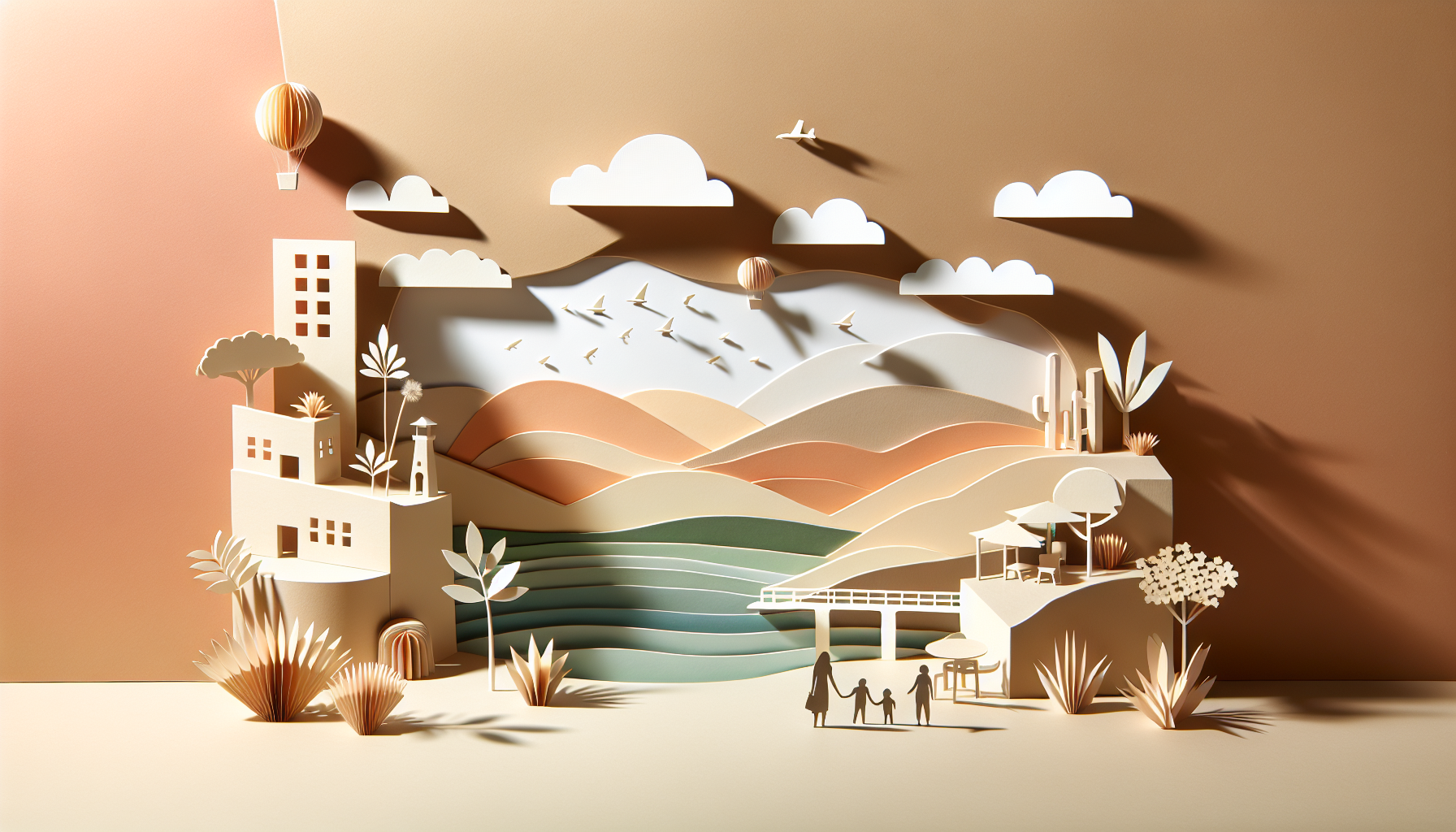
Shadow art installations are captivating the art world with their mystique and intricate play of light and dark. Among the emerging techniques, layered paper cut-outs are making significant waves, offering a new dimension to traditional shadow art. In this article, we will delve into how this innovative method is reshaping the visual landscape, and explore practical ways for art enthusiasts to experiment with layered paper cut-outs, whether in a personal studio or as part of a home décor project.
The appeal of shadow art installations lies in their ability to evoke emotions through subtle manipulation of light and shadow. Layered paper cut-outs add depth and complexity, transforming a simple concept into a dynamic piece of art. Not only do these installations serve as a creative outlet, but they also offer a sustainable and cost-effective approach to art-making, leveraging readily available materials to create stunning visuals. Understanding this technique can empower artists and hobbyists alike to express their creativity uniquely.
Essential Materials for Layered Paper Cut-Out Shadow Art
Creating layered paper cut-out shadow art may seem daunting at first, but it starts with gathering the right materials. The beauty of this art form lies in its simplicity, requiring only a few essential items that can be sourced easily.
- Paper Variety: Choose papers of different textures and weights. Heavier paper provides structural stability, while lighter paper adds delicacy. Consider acid-free paper to ensure longevity.
- Precision Cutting Tools: Invest in a sharp craft knife or a scalpel to achieve clean lines. Cutting mats protect surfaces and help maintain accuracy.
- Light Source: A movable lamp allows you to experiment with shadows by adjusting angles and distances. LED lights are energy-efficient and produce minimal heat.
- Frames or Mounting Boards: Secure your layers in place for display. Consider shadow boxes for a dimensional effect.
Each of these elements contributes to the overall success of your shadow art. Missteps to avoid include using low-quality paper that tears easily or neglecting to secure your layers properly, which can lead to misalignment and shadow distortion. Testing different paper and light combinations can unveil surprising effects, turning potential pitfalls into learning opportunities.
Creating Depth with Layering Techniques
The magic of layered paper cut-out art is in the illusion of depth it creates. Understanding how to layer effectively is crucial.
- Gradually Build Complexity: Start with a basic silhouette and add layers gradually. This allows for experimentation without overwhelming the composition.
- Use Contrasting Colors: Play with color contrasts to highlight different elements. White and black are classic choices, but colorful papers can add vibrancy.
- Vary Layer Distances: Control the distance between layers to manipulate shadow length and intensity, adding to the overall sense of depth.
Patience is key when layering. Abruptly stacking too many layers can result in a chaotic appearance, while careful consideration of space and color can reveal intricate stories within your art. Consider how seasonal themes might influence your work, using warmer tones for autumn-inspired pieces or cool blues for winter.
Innovative Display Ideas for Layered Paper Cut-Outs
Once your layered paper cut-out piece is complete, consider creative ways to display your work. Your presentation choices can enhance the viewer's experience and emphasize the unique aspects of the art.
- Interactive Lighting: Install adjustable lights that allow viewers to change the shadow angles, creating an interactive art piece.
- Rotating Displays: Mount your art on a motorized base to subtly rotate the piece, showcasing different shadow plays throughout the day.
- Multi-Piece Installations: Create a series of art pieces that tell a cohesive story when viewed together. This can be especially impactful in larger spaces.
Experimenting with display options can lead to surprising discoveries, turning your art into a conversation piece. Be aware, however, of the potential for light damage and avoid direct sunlight exposure, which can fade colors over time.
In closing, layered paper cut-out shadow art offers a refreshing take on traditional shadow installations, blending simplicity with complexity. As you embark on your journey with this art form, start with small projects, mastering the basics before tackling more ambitious pieces. Over time, the cumulative benefits of your efforts will become evident, not only in the stunning visual outcomes but also in the creative satisfaction they bring. Invite yourself to experiment, adapt, and make this art form your own, knowing that each piece is a testament to your evolving artistic vision.
Further Reading
For more on this topic, explore: Artsy, The Guardian Culture.