How Forgotten Bookbinding Techniques Are Inspiring Modern Art Editions
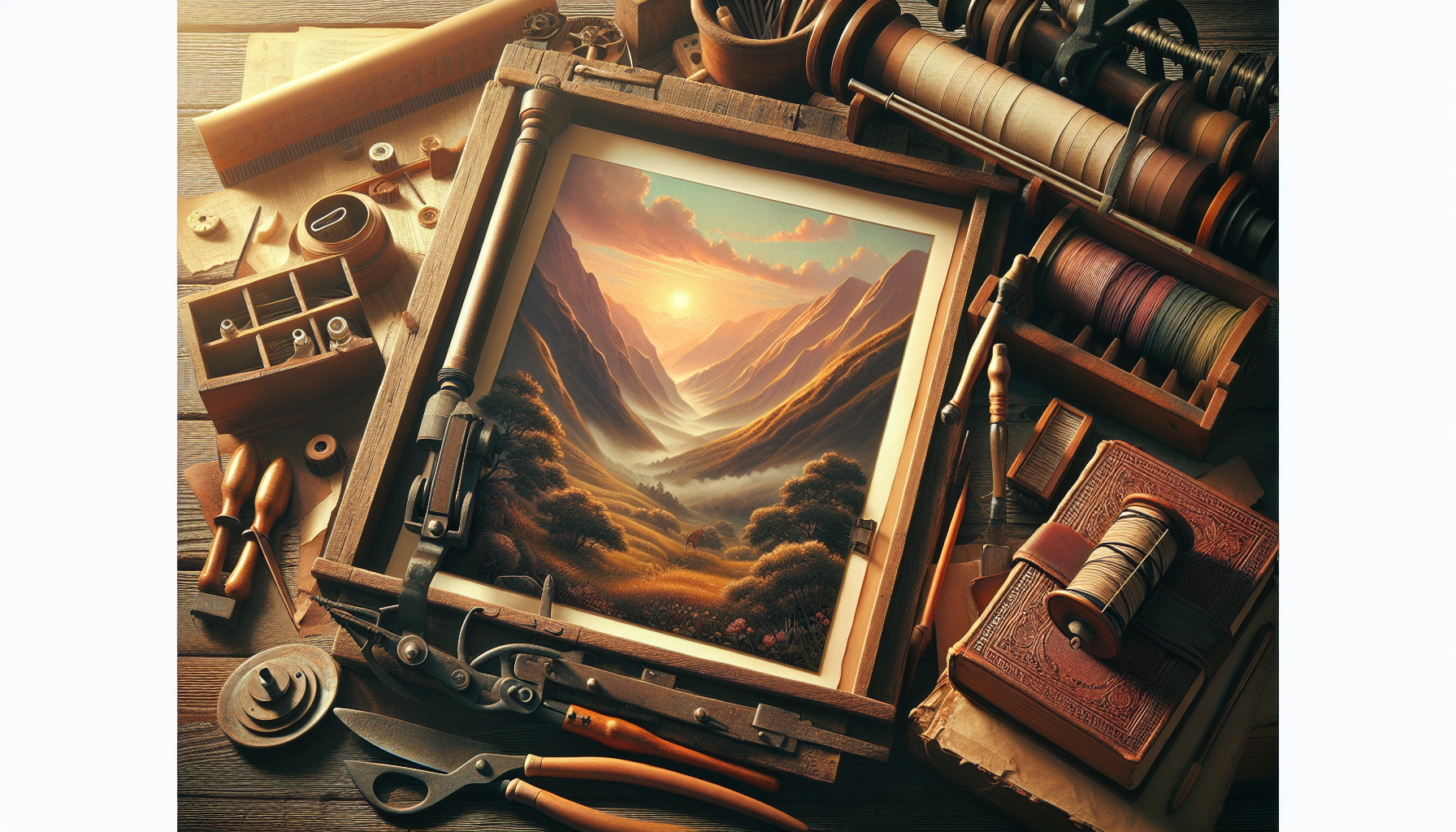
In the world of modern art, where digital canvases and contemporary styles dominate, a growing number of artists are turning to forgotten bookbinding techniques to create limited edition art books that captivate audiences with their tactile beauty and historical depth. These techniques, once used by artisans to bind manuscripts and preserve knowledge, are now serving as a source of inspiration for artists looking to add a unique dimension to their work. This article explores how these ancient methods are being revived and adapted to inspire contemporary art editions, providing insight into their timeless appeal and potential for creativity.
Incorporating forgotten bookbinding techniques into modern art editions is not merely a nod to nostalgia; it holds practical significance in a fast-paced digital world. These techniques offer artists a way to slow down, reconnect with manual craftsmanship, and produce tangible art pieces that engage the senses. This return to hands-on artistry is not only fulfilling for the creator but also immensely satisfying for the viewer, who can appreciate the rich textures, intricate details, and the sense of history imbued in each piece.
The Revival of Classic Techniques
Revisiting traditional bookbinding methods such as Coptic binding, Japanese stab binding, and leather tooling provides artists with a versatile toolbox to enhance their creations. These techniques are not just about binding pages together; they encompass a wealth of decorative and functional elements that can elevate an art edition from mundane to extraordinary.
- Coptic Binding: Known for its durability and flexibility, Coptic binding allows books to lie flat when open. This method is perfect for artists who want their works to be easily displayed, making it a popular choice for art editions.
- Japanese Stab Binding: This technique involves sewing through the entire book, creating a distinctive pattern on the spine. It is ideal for showcasing minimalistic designs and works well with different paper textures.
- Leather Tooling: Incorporating leather yields a luxurious finish. Artists can emboss designs directly onto the leather cover, offering a tactile experience.
Artists should be cautious not to overwhelm their art with overly ornate binding, as it can distract from the artwork itself. A balanced approach ensures that the binding complements rather than competes with the content.
Integrating Modern Elements
While the allure of ancient techniques lies in their authenticity, blending them with modern elements can result in stunning art editions that speak to both tradition and innovation. Artists might incorporate digital prints, laser-cut designs, or even augmented reality components, creating a multi-sensory experience that bridges the gap between old and new.
- Digital Prints: Use high-quality digital prints to introduce vibrant colors or intricate details that might be difficult to achieve by hand. This combination of digital and manual methods can enhance the visual impact.
- Laser-Cut Designs: Perfect for adding precise, intricate patterns to covers or pages, laser cutting can complement traditional binding with clean lines and modern aesthetics.
- Augmented Reality: Artists can include QR codes or other AR elements that, when scanned, reveal hidden layers of the artwork or additional content, offering a new dimension to the art edition.
Integration should be seamless and purposeful, ensuring modern additions do not overshadow the traditional craftsmanship. Testing prototypes and seeking feedback can help artists strike the right balance.
"Blending traditional craftsmanship with contemporary technology allows art to transcend time, creating a dialogue between the past and the present." — Art curator at a leading gallery
Creating Limited Editions
By using these forgotten bookbinding techniques, artists can produce limited edition art books that carry a sense of exclusivity and personal touch. Limited editions create a deeper connection between the artist and collector, as each piece becomes a part of a unique series, encouraging a more personal and emotional investment in the artwork.
- Edition Size: Determine a manageable edition size that ensures quality and exclusivity. Smaller editions increase the value and desirability of the collection.
- Customization: Offer variations within an edition, such as different cover materials or personalized inscriptions, making each piece stand out.
It's important for artists to maintain consistency across the edition while allowing for slight variations that add to the uniqueness of each piece. Clear communication with buyers about what makes each edition special is key to fostering appreciation.
Preparing for a DIY Approach
For artists inspired to incorporate these techniques into their own work, starting with a DIY approach can be a rewarding experience. By learning the basics of bookbinding and experimenting with simple projects, artists can gradually build their skills and confidence.
- Basic Tools: Invest in essential tools like needles, thread, bone folders, and cutting mats. These tools are crucial for precision and control.
- Online Resources: Utilize online tutorials and courses that offer step-by-step guidance on various bookbinding techniques. Many free resources are available to get started.
Beginners should start with simple projects and gradually tackle more complex techniques as they gain confidence. Patience and practice are vital, and mistakes should be viewed as learning opportunities rather than setbacks.
In closing, the resurgence of forgotten bookbinding techniques in modern art editions offers a unique opportunity to create pieces that are both a tribute to the past and a celebration of contemporary creativity. By starting small and gradually incorporating these methods into their work, artists can enjoy the long-term benefits of producing art that is not only visually appealing but also rich in historical significance and tactile pleasure. Such endeavors encourage experimentation and personal adaptation, marking a return to art that is as much about the journey of creation as the final product.
Further Reading
For more on this topic, explore: NYT Books, Smithsonian Magazine, Literary Hub.