How Everyday Kitchen Tools Are Being Repurposed for Experimental Printmaking
Have you ever looked at your kitchen tools and wondered if they could be used beyond their culinary purposes? Recently, artists and hobbyists alike are discovering that everyday kitchen items are excellent for experimental printmaking. This article will explore how you can transform your kitchen into a creative print studio, providing you with the knowledge to turn ordinary utensils into tools for making unique art pieces. By delving into these techniques, you'll gain insight into a rewarding, accessible, and eco-friendly hobby.
Incorporating printmaking into your life using kitchen tools not only saves time and money but also fosters creativity and reduces waste. As printmaking involves transferring images through ink onto another surface, this artistic pursuit encourages the recycling of existing materials, promoting a more sustainable and mindful way of living. Additionally, the simplicity of using kitchen tools makes it feasible for anyone to start, whether you're an experienced artist or a curious beginner.
Essential Kitchen Tools to Start With
To begin your printmaking journey, some basic kitchen items can serve as versatile tools to create textures and impressions. Here's what you'll need:
- Sponges: Ideal for applying ink evenly over surfaces, sponges can create varied textures depending on their density and shape. Opt for natural sponges for a more organic pattern.
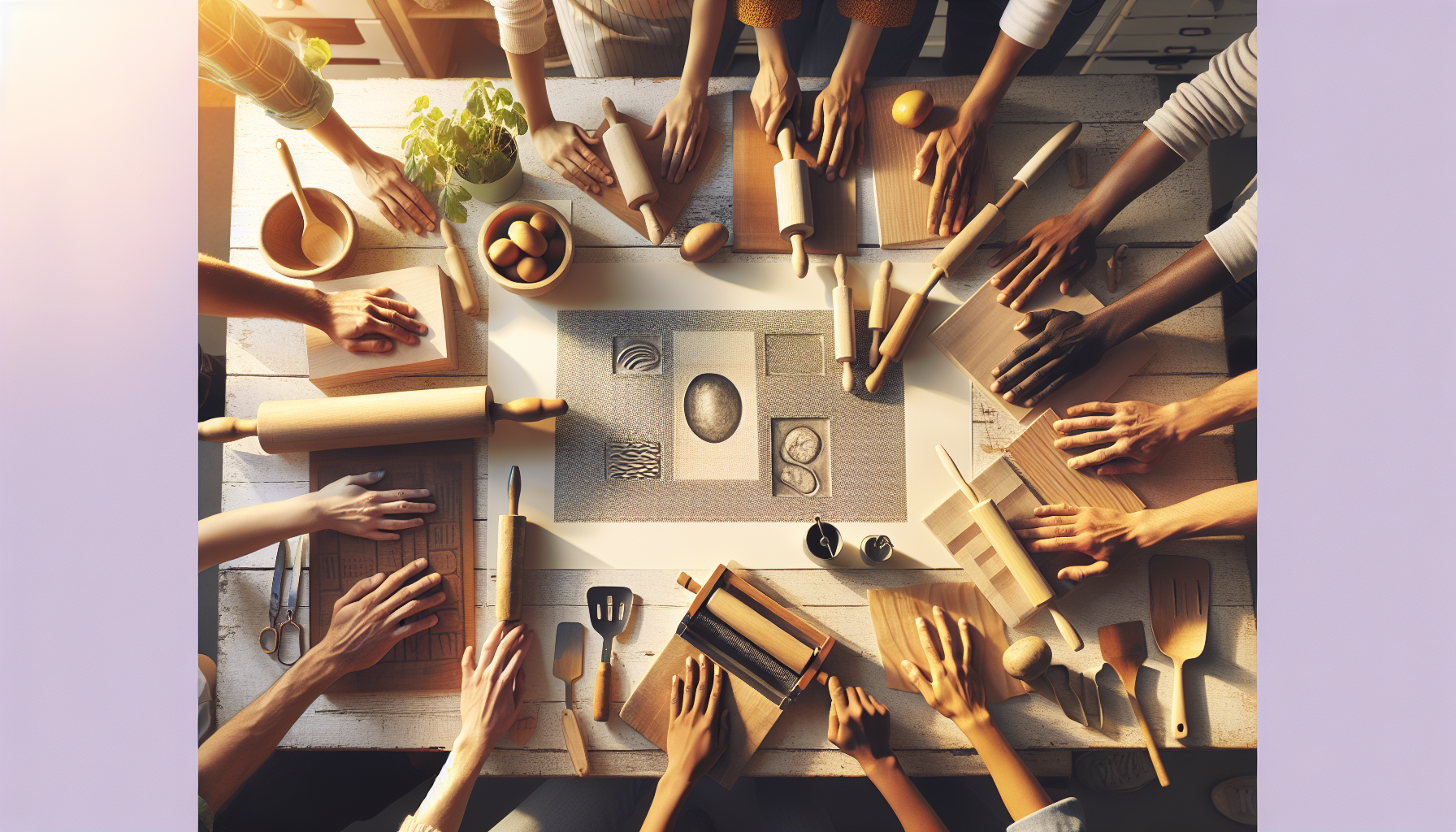
- Rolling Pins: Used as make-shift brayers, rolling pins help evenly distribute ink across your printing plates. Choose those with smooth surfaces to avoid unwanted patterns.
- Forks and Knives: These can etch lines and patterns into the ink, offering a wide array of intricate designs.
- Potato Mashers: Their grid-like structure provides unique patterns that are easy to replicate.
- Aluminum Foil: When crumpled, it creates interesting textures and can be used as a surface for monoprints.
When selecting these tools, consider their size and material. Plastic and metal utensils offer different textural results. Experiment with both to find your preferred style. Avoid using items that are difficult to clean, as dried ink can be stubborn and may damage them.
Setting Up Your Printmaking Station
Creating a designated area for printmaking in your kitchen ensures a smoother process and reduces mess. Here’s how you can efficiently set up your space:
- Protect Surfaces: Use old newspapers or a plastic tablecloth to cover your work area, preventing ink stains.
- Organize Tools: Keep your chosen kitchen tools within easy reach, and use trays to separate clean tools from used ones.
- Ventilation: Ensure your kitchen is well-ventilated. Open windows or use a fan to disperse any fumes from printing inks.
- Ink and Paper Storage: Designate a dry, cool area for storing inks and papers to maintain their quality.
It’s important to clean your tools immediately after use, especially if you're using water-based inks, as this prevents residue build-up and preserves the longevity of your kitchen utensils.
Techniques for Using Kitchen Tools in Printmaking
Experimenting with various methods can lead to surprising and delightful results. Here are a few techniques to try:
- Stamping: Use potato mashers or sponges dipped in ink to stamp designs onto your paper. Varying pressure creates different effects.
- Etching: With a fork or knife, scratch designs into an ink-covered surface before pressing paper onto it. This technique allows for detailed line work.
- Monoprinting: Crumple aluminum foil and apply ink. Press it onto paper for one-of-a-kind prints with a textured appearance.
When experimenting, take note of what works and what doesn’t. Sometimes the most unexpected tool can yield the most striking results. Document your process and outcomes, so you can refine techniques and replicate successful prints in the future.
Exploring Variations and Personalizing Your Art
No two printmaking projects need to be the same. As you become more comfortable with the basics, explore ways to personalize your art:
- Color Blending: Mix different ink colors directly on your utensils before printing for a multicolored effect.
- Layering: Use multiple layers of different prints to add depth and complexity to your artwork.
- Seasonal Themes: Adapt your prints to reflect seasonal elements, such as using warm colors for autumn or incorporating leaf patterns in your designs.
By adding your unique twist, you can create signature pieces that reflect your personality and artistic style. Don't be afraid to break conventional rules and experiment with new ideas.
Further Reading
For more on this topic, explore: Artsy, Smithsonian Magazine.