How Candle-Soot Drawing Is Quietly Influencing Experimental Portraiture
Candle-soot drawing is an evocative and intriguing art form that is subtly making waves in the world of experimental portraiture. In this ultimate guide, we will delve into the unique characteristics and techniques of candle-soot drawing and explore how it quietly influences modern portraiture. Readers will gain insight into its practical applications, learn how to integrate it into their creative processes, and discover tips and tricks to master this understated yet impactful technique.
Understanding candle-soot drawing and its relevance is essential for artists aiming to expand their creative repertoire. This method offers a sustainable and cost-effective approach to creating unique textures and moods in portraits. By incorporating candle-soot drawing, artists can enhance their portfolios with versatile and thought-provoking pieces that captivate viewers and provoke imagination without relying on complex or expensive materials.
Origins and Essentials of Candle-Soot Drawing
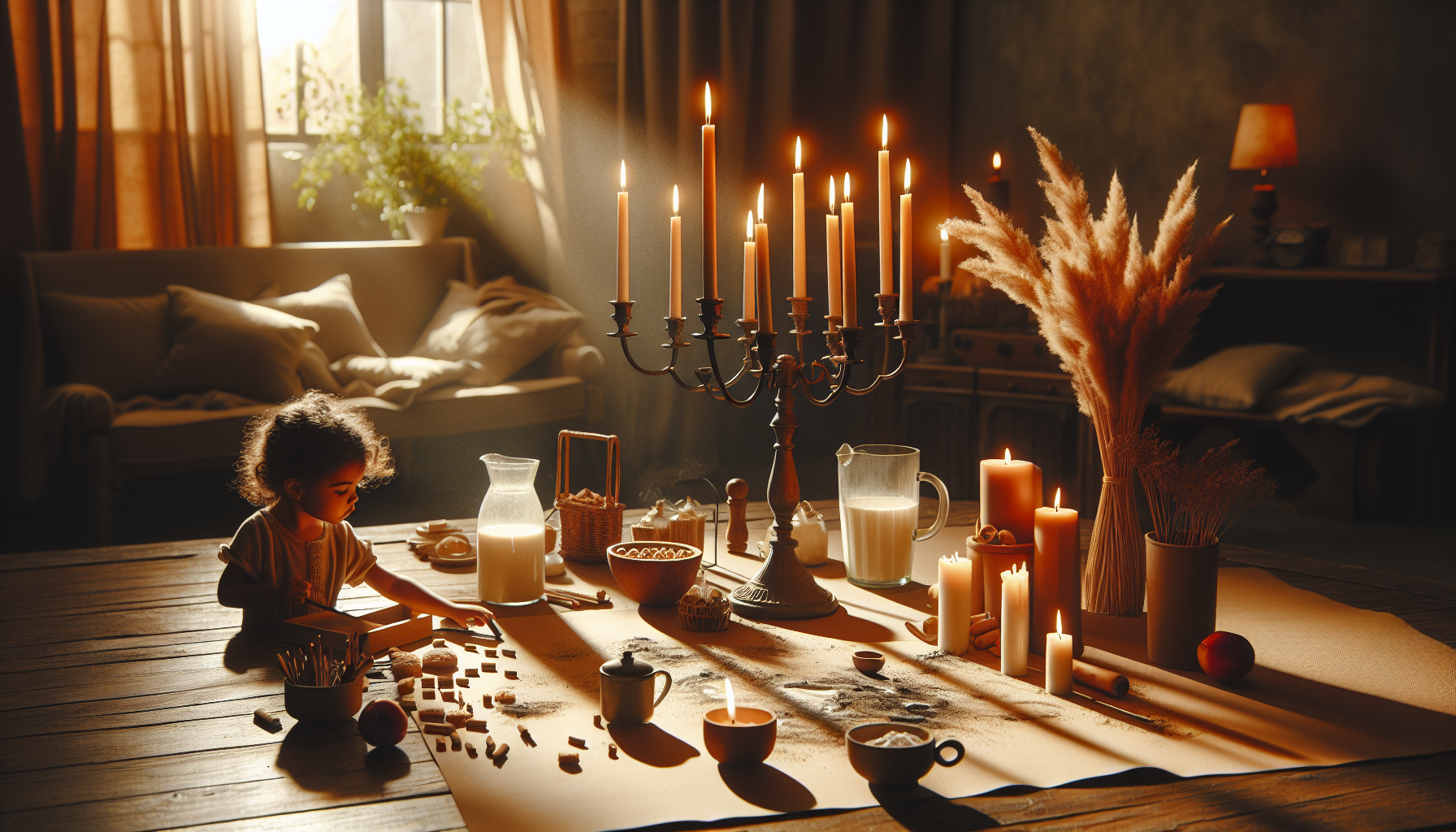
Candle-soot drawing, a technique rooted in ancient artistic practices, involves utilizing the soot produced by burning candles as a medium to create delicate and ethereal images. The process requires minimal materials: a candle for soot production, paper or canvas to capture the soot, and tools such as brushes or erasers to manipulate the soot into desired shapes and shades.
- Start with quality paper or canvas that can hold soot without tearing. Opt for acid-free paper to prevent yellowing and ensure longevity.
- Select a candle that produces a steady, consistent flame, such as a paraffin or beeswax candle.
When beginning, position the paper above the flame, allowing soot to gently accumulate. Use a soft brush to spread and shape the soot into your desired composition. Mistakes can be corrected by lightly erasing or adding layers of soot to adjust the image.
Why Candle-Soot Drawing Matters in Portraiture
Candle-soot drawing offers unique advantages for portrait artists seeking distinctive textural qualities. The technique's inherent softness lends itself to capturing subtle expressions and atmospheric effects. This method encourages artists to focus on emotion and tonal variation rather than precise detail, leading to more expressive and evocative portraits.
- Emphasize mood and emotion over hyper-realism, allowing for more interpretative and imaginative representations.
Artists can explore different layering techniques to achieve depth and contrast, crucial elements in portraiture that can dramatically alter the viewer's perception. By experimenting with light and shadow, candle-soot drawing can produce hauntingly beautiful images that stand out in any collection.
A noted art historian remarks, "Candle-soot drawing captures the transient nature of light and shadow, making each piece a unique exploration of form."
— Art Historian
Techniques for Mastering Candle-Soot Drawing
To excel in candle-soot drawing, artists must practice and experiment with various techniques. Start by understanding the behavior of soot and its interaction with different surfaces. This knowledge will aid in anticipating the outcome and refining your approach. Here are some techniques to consider:
- Explore different brush types to manipulate soot textures. Soft brushes create smooth transitions, while stiff brushes add structure and depth.
- Experiment with erasing techniques to create highlights and contrast, which are crucial for defining form in portraits.
Common mistakes include overworking the soot, leading to muddy compositions, and not accounting for the impact of ambient lighting on the final piece. To avoid these pitfalls, work slowly, assess your progress often, and adjust as needed.
Integrating Candle-Soot Drawing into Your Artistic Practice
Incorporating candle-soot drawing into your artistic workflow can be a rewarding endeavor. This method is suitable for artists seeking to diversify their techniques without extensive investment in new materials or tools. To begin, allocate a dedicated space where you can safely work with an open flame, ensuring proper ventilation and fire safety measures.
- Set aside time for experimentation and play, allowing yourself to explore the medium without strict goals or expectations.
Consider blending candle-soot drawing with other media, like watercolor or ink, to create mixed-media pieces that highlight the contrast between different textures and techniques. As you grow more comfortable with candle-soot drawing, you can incorporate it into commissioned work or gallery exhibits, offering unique and eye-catching pieces.
Candle-soot drawing is a quiet but profound addition to the world of experimental portraiture, offering artists the opportunity to explore new dimensions of creativity. By starting with simple, manageable projects, artists can gradually build confidence and skill in this medium. As you experiment with candle-soot drawing, remember that each piece is a journey in capturing light, shadow, and emotion. Embrace the process, allow room for unexpected discoveries, and enjoy the long-term benefits of developing a distinctive and versatile artistic voice.
Further Reading
For more on this topic, explore: Artsy, Literary Hub, Smithsonian Magazine.