"How Book Spine Design Is Quietly Becoming a Mini Art Form"
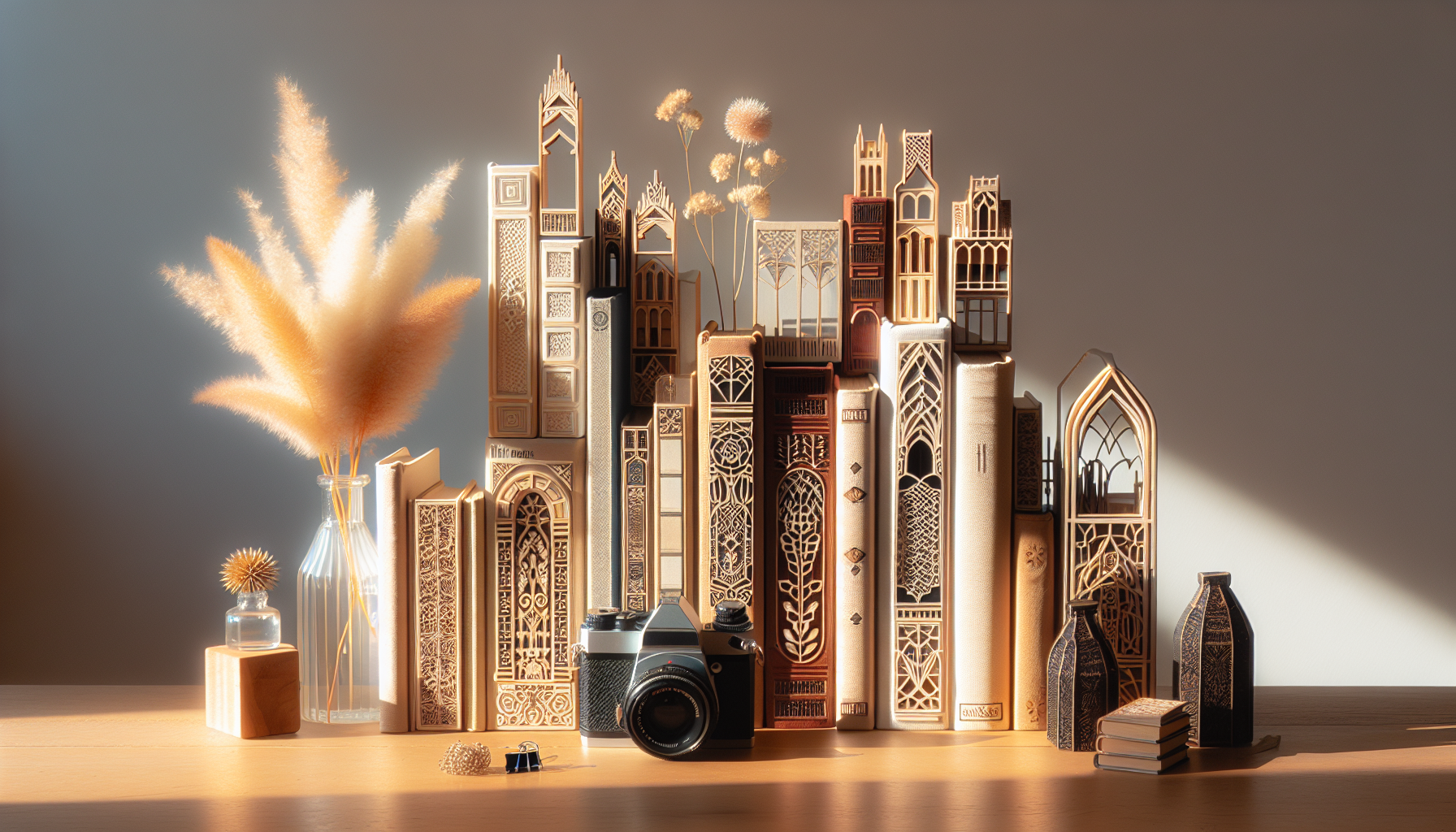
In the realm of book lovers and design aficionados, the humble book spine has quietly evolved into a captivating mini art form. This transformation goes beyond mere aesthetics; it celebrates the fusion of literature and visual artistry in a way that captivates readers even before they flip to the first page. In this article, we'll explore how book spine design is gaining recognition as an art, offering practical insights and inspiration for those looking to appreciate or create their own spine masterpieces.
Whether you're an avid reader, a design enthusiast, or someone who appreciates fine art in unexpected places, understanding the artistic evolution of book spines can enrich your everyday life. This knowledge not only enhances your bookshelf's visual appeal but also fosters a deeper appreciation for the creativity and craftsmanship involved in book production. In a world where digital media dominates, the tangible beauty of a well-designed book spine offers a refreshing and sustainable alternative, making your reading experience a more mindful and enjoyable endeavor.
The Evolution of Book Spine Design
The art of book spine design has a rich history, with its roots tracing back to the early days of bookbinding when spines served a purely functional purpose. As the centuries passed, spines began to reflect the artistic movements of their times, evolving from simple leather bindings to elaborately gilded designs. Today, contemporary book spines are celebrated for their ability to convey a book's essence through color, typography, and imagery, often turning a bookshelf into a curated gallery of mini artworks.
- Embrace Minimalism: Minimalist spines often use clean lines and simple typography to convey elegance and modernity. This approach works well when the focus is on text or when the book's theme aligns with minimalist aesthetics.
- Explore Bold Colors: Vibrant spines can make a bookshelf pop, especially when contrasting colors are used. These designs are particularly effective for drawing attention to special editions or books meant to stand out.
Avoid common pitfalls such as overcrowding the spine with too much information or using hard-to-read fonts. A cluttered spine can be visually overwhelming and may detract from the book's overall appeal.
Designing Your Own Book Spine Art
If you're inspired to create your own book spine art, there are several elements to consider. Start by reflecting on the book's content and its intended mood. Is it a lighthearted novel or a profound philosophical text? Your design should resonate with the book's theme while being visually appealing.
- Typography Matters: Choose fonts that are not only legible from a distance but also convey the book's tone. A whimsical font can add charm to a children's book, while a serif font might lend gravitas to a classic novel.
- Incorporate Iconography: Symbols or small illustrations can effectively represent the book's theme. For instance, a silhouette of a quill on a historical fiction spine can immediately hint at its literary nature.
When designing, ensure that the spine complements the cover art without overshadowing it. Consistency in design elements across the spine and cover can create a cohesive and compelling visual story.
Celebrating Spine Art in Personal Libraries
For those curating personal libraries, book spine design can be a fun and rewarding way to personalize your collection. Displaying books with carefully selected spines can turn your bookshelf into a work of art, sparking joy and conversation among visitors.
- Color Coordination: Group books by color to create a visually harmonious display. This technique is popular for achieving a sleek, organized look without sacrificing individuality.
- Themed Arrangements: Arrange books by theme or genre to tell a visual story across your shelves. This approach not only enhances the aesthetic but also makes it easier to locate specific books.
Be mindful of over-styling your shelves to the point where function is compromised. A good balance ensures that the library remains both stylish and practical.
In conclusion, the rise of book spine design as an art form offers a unique opportunity for creativity and self-expression. By starting with a few changes—whether it be curating a personal library or designing your own spines—you can transform your reading experience into a visually rewarding journey. The long-term benefits of this endeavor include a more organized space, increased appreciation for the artistry of books, and a delightful way to engage with literature daily. As you explore the world of book spine art, embrace experimentation and personal adaptation, celebrating the joy of books in their most tangible and beautiful form.
Further Reading
For more on this topic, explore: The Guardian Culture, Artsy.