How Book Nook Dioramas Are Blending Reading with Miniature Art
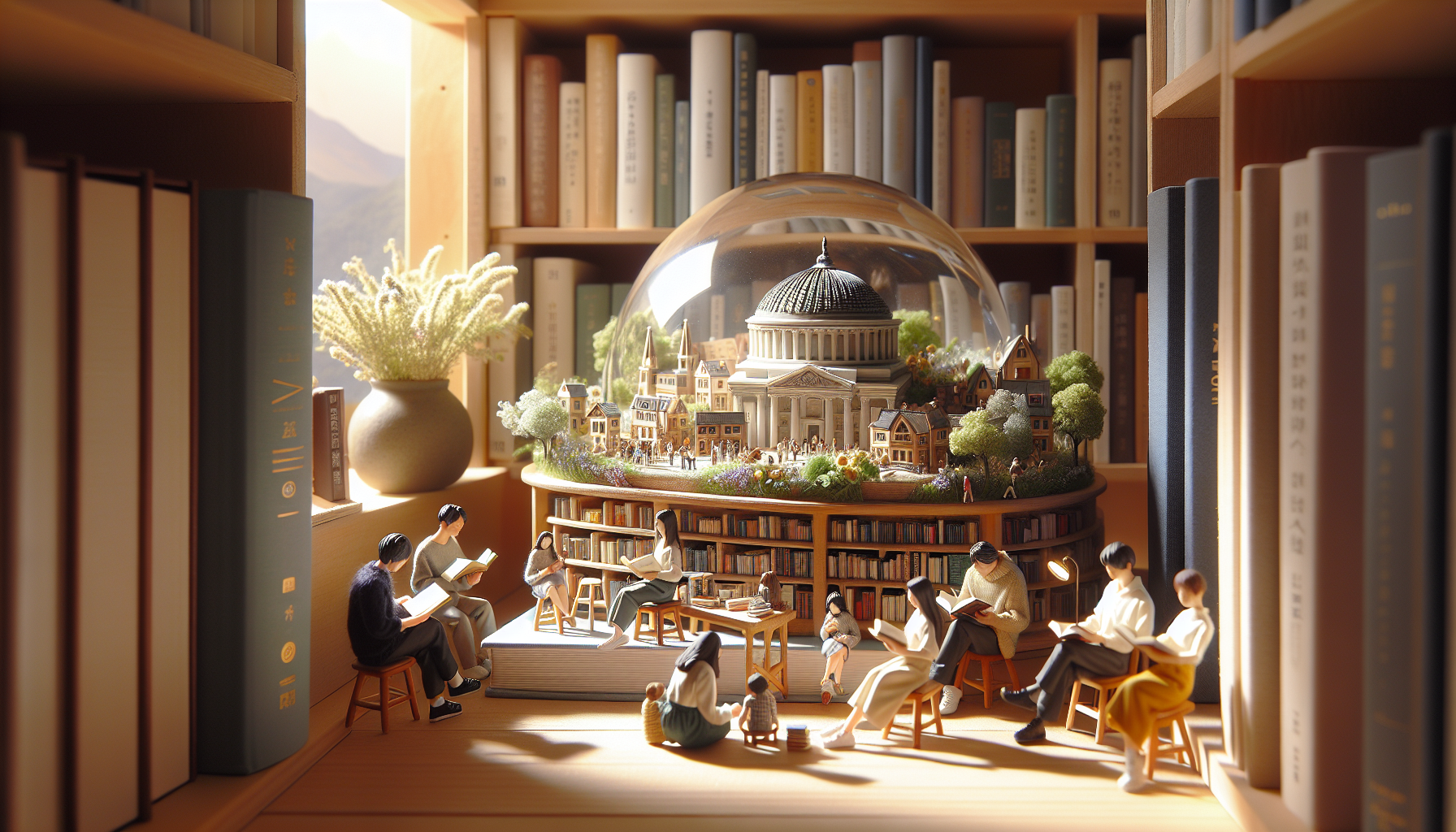
In the world of literature and art, a new trend is captivating bibliophiles and miniature art enthusiasts alike: book nook dioramas. These charming and intricate miniature scenes fit snugly between books on a shelf, transforming an ordinary bookshelf into a portal to another world. This guide will take you through everything you need to know about creating your own book nook diorama, blending the joy of reading with the creativity of miniature art. Whether you're an avid reader looking to add a touch of whimsy to your home library or an artist seeking a new creative outlet, this guide will provide practical advice and inspiration to get you started.
Book nook dioramas offer more than just aesthetic appeal; they enhance the reading experience by creating a visual narrative that complements your favorite stories. In a time when digital screens often dominate our attention, these mini masterpieces can serve as a tactile, imaginative escape. Crafting a book nook diorama allows you to engage with your favorite tales in a new way, fostering a deeper appreciation for the stories that have shaped your life. Plus, they make for an engaging conversation piece and a delightful way to personalize your space.
Essential Materials to Get Started
Before diving into the creation of your book nook diorama, it's important to gather the necessary materials. A well-stocked toolbox will streamline the process and ensure that your artistic vision comes to life seamlessly. The following list includes must-have items and tips on how to use them effectively.
- Craft Knife and Cutting Mat: These tools are essential for precision cutting of cardboard, foam, and other materials. Ensure your craft knife is sharp for clean edges, and always cut on a mat to protect your surfaces.
- Glue and Adhesives: Opt for a strong, clear-drying adhesive to secure your components together. Hot glue guns are particularly effective for quick-drying bonds.
- LED Lights: These tiny lights can bring your diorama to life, adding warmth and depth. Choose battery-operated LEDs for ease of use and concealment.
- Paints and Brushes: Acrylic paints are ideal for dioramas due to their quick drying time and vibrant colors. Select a variety of brush sizes for detail work.
- Decorative Papers and Textures: Scrapbooking paper, textured cardstock, or fabric can create realistic backgrounds and surfaces.
When selecting materials, consider the theme and story of your book nook. A scene from a whimsical fairy tale might benefit from pastel papers and delicate lace, while a dystopian narrative could use darker tones and metallic textures. Avoid rushing the selection process; the right materials will enrich your diorama's narrative.
Designing Your Book Nook Diorama
With materials in hand, the next step is to conceptualize your diorama. Designing a miniature scene requires both creativity and planning to ensure the elements fit together harmoniously. Here are some steps to follow:
- Choose Your Theme: Let your favorite story inspire your design. Whether it's a bustling cityscape from a classic novel or a serene forest from a fantasy tale, select a theme that resonates with you.
- Sketch Your Layout: A rough sketch of your desired layout will help you visualize the space and identify which elements need to be crafted or purchased.
- Focus on Scale: Consistency in scale is crucial for a realistic appearance. Use miniatures that are appropriately sized for the space you're creating.
- Layer Elements for Depth: Create a sense of depth by layering foreground, middle ground, and background elements. This could involve placing larger items at the back and smaller details towards the front.
As you design, remember that simplicity can often be more impactful than complexity. Avoid overcrowding the space, which can overwhelm the viewer and detract from the narrative. Instead, focus on key elements that tell your story effectively.
Creating Your Diorama
Now that you've designed your book nook, it's time to bring your vision to life. This process requires patience and attention to detail, but the results are immensely rewarding. Here's how to get started:
- Construct the Base: Start with your base, typically a rectangular box that fits snugly between books. Reinforce it with cardboard for sturdiness.
- Build the Background: Paint or cover the inside of your box with your chosen background material, such as sky scenes or textured paper.
- Add Your Elements: Assemble and glue your miniature items according to your layout. Start with the background elements and work your way forward.
- Incorporate Lighting: Position your LED lights strategically to highlight key features and add ambiance.
Common pitfalls include improper cutting, leading to uneven edges, and over-gluing, which can result in visible adhesive marks. Take your time during assembly; precision and careful placement are key to a polished finish. Experiment with different lighting positions and intensities to achieve the desired mood.
Personalizing Your Book Nook
One of the most fulfilling aspects of creating a book nook diorama is personalizing it to reflect your unique style and interests. Consider these ideas for customization:
- Incorporate Personal Artifacts: Add small items that have personal significance, such as mini versions of trinkets or keepsakes.
- Use Seasonal Themes: Adapt your diorama for different seasons by swapping elements like foliage for autumn leaves or adding snow effects for winter scenes.
- Experiment with Textures: Mix and match textures to create a tactile experience, such as combining rough sandpaper with smooth acetate.
Personal touches not only enhance the visual appeal but also create a deeper emotional connection to your creation. Avoid the temptation to imitate others; instead, let your imagination and personal narrative guide your artistic choices.
Creating a book nook diorama is an enriching journey that combines the love of storytelling with the art of miniaturization. Start with a single idea or theme, and gradually expand your skills with each new project. Over time, you'll find that these small efforts yield significant results, offering stress relief, creative satisfaction, and a unique way to engage with your favorite books. Embrace the process, and don't be afraid to experiment with new techniques and ideas. Your bookshelf awaits its new miniature world, ready to inspire and delight both you and your guests.
Further Reading
For more on this topic, explore: The Guardian Culture, NYT Books.