How Barefoot Indoor Walking Is Becoming a Daily Grounding Practice

Walking barefoot indoors might seem like an understated practice, but it is gaining popularity as a grounding ritual that can enhance your everyday life. In this comprehensive guide, we'll explore how barefoot indoor walking can become a daily practice to help you connect with your environment and promote well-being. You'll discover practical tips for incorporating this practice into your routine, the benefits it brings, and how to adapt it to fit your lifestyle perfectly.
In our fast-paced world, finding moments that promote mindfulness and well-being is crucial. Barefoot walking is one such practice that can easily be integrated into your daily routine. This simple activity encourages you to slow down and be present, offering sustainable physical and mental benefits without requiring any special equipment or extraordinary effort. As you read on, you'll learn how this practice can save time, build confidence, and improve your overall sense of balance and grounding.
Understanding the Benefits of Barefoot Indoor Walking
Barefoot walking is more than just a trend—it's a practice rooted in the idea of reconnecting with the earth and enhancing proprioception, which is your body's ability to sense its position in space. When you walk barefoot, you stimulate pressure points on your feet, which can lead to improved foot strength, better posture, and increased balance.
- Improved foot strength: Walking barefoot allows your feet to move in their natural range of motion, strengthening muscles and ligaments.
- Enhanced balance: Without the support of shoes, your body learns to stabilize itself better, improving your balance over time.
- Better posture: As your balance improves, so does your posture, helping to reduce back pain and promote a healthier spine alignment.
However, it's important to approach this practice with intention. Start slowly to give your feet time to adjust, and be mindful of any discomfort that may indicate the need for rest or adaptation. Avoid walking on overly hard or unsafe surfaces to prevent injury.
Integrating Barefoot Walking Into Your Daily Routine
Making barefoot walking a part of your daily life doesn't require a drastic lifestyle change. Here are some practical steps to help you get started:
- Designate a walking path: Choose a safe area in your home with smooth, clean floors where you can walk without distractions.
- Set a daily time: Allocate a specific time each day, like after waking or before bed, to walk barefoot and reflect.
- Focus on mindfulness: As you walk, pay attention to your breathing and the sensations in your feet, promoting a meditative state.
To enhance your experience, consider integrating simple yoga or stretching routines before or after your walk. This can help warm up your muscles and improve flexibility, making the practice more enjoyable and beneficial.
Adapting the Practice for Different Lifestyles and Seasons
One of the beauties of barefoot indoor walking is its adaptability. Depending on your climate, living space, and lifestyle, here are some variations to consider:
- Seasonal adjustments: During colder months, ensure your home is adequately heated, and floors are warm. In summer, embrace the coolness of uncarpeted surfaces.
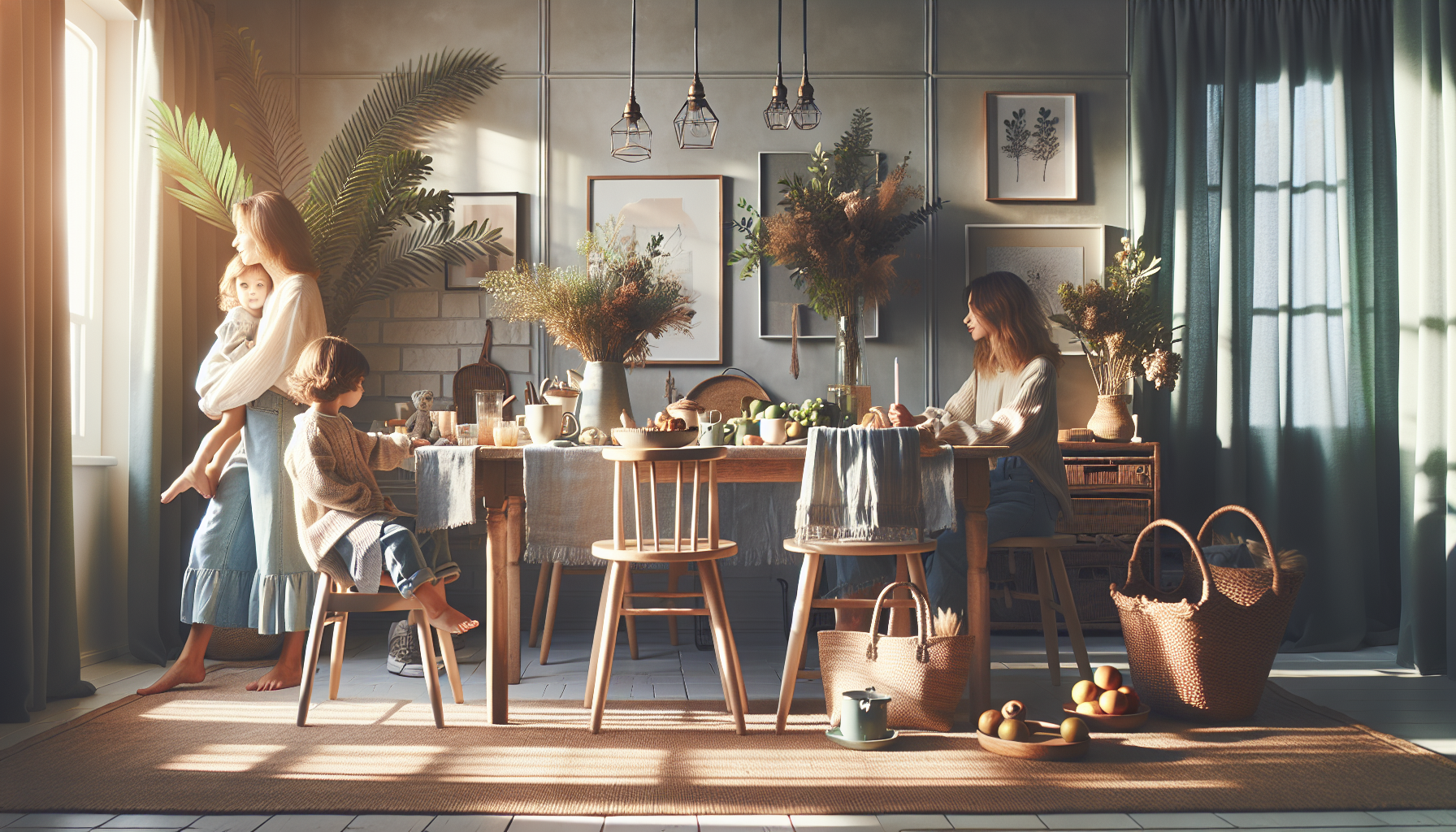
- Lifestyle adaptations: For those with active children or pets, incorporate barefoot walking into family time or play, making it a fun, shared activity.
- Space considerations: If space is limited, consider a small, circular path or invest in a clean, comfortable surface for walking.
Remember, the goal is to make barefoot walking a pleasant, stress-free part of your day, so adapt the practice in ways that best fit your environment and personal preferences.
Common Mistakes and How to Avoid Them
While barefoot walking is generally safe, there are common mistakes that can detract from its benefits:
- Ignoring discomfort: Pay attention to any pain or discomfort, particularly if it persists, as this could indicate the need for a change in practice.
- Walking on unsafe surfaces: Avoid rough or dirty areas to prevent injury and maintain hygiene.
- Overdoing it: Start with short sessions and gradually increase the duration as your feet adapt.
By being mindful of these potential pitfalls, you can ensure that your barefoot walking practice remains safe and beneficial.
Further Reading
For more on this topic, explore: Eater, Architectural Digest, Bon Appétit.