How Ambient Background Noise Is Elevating Tension in Quiet Horror
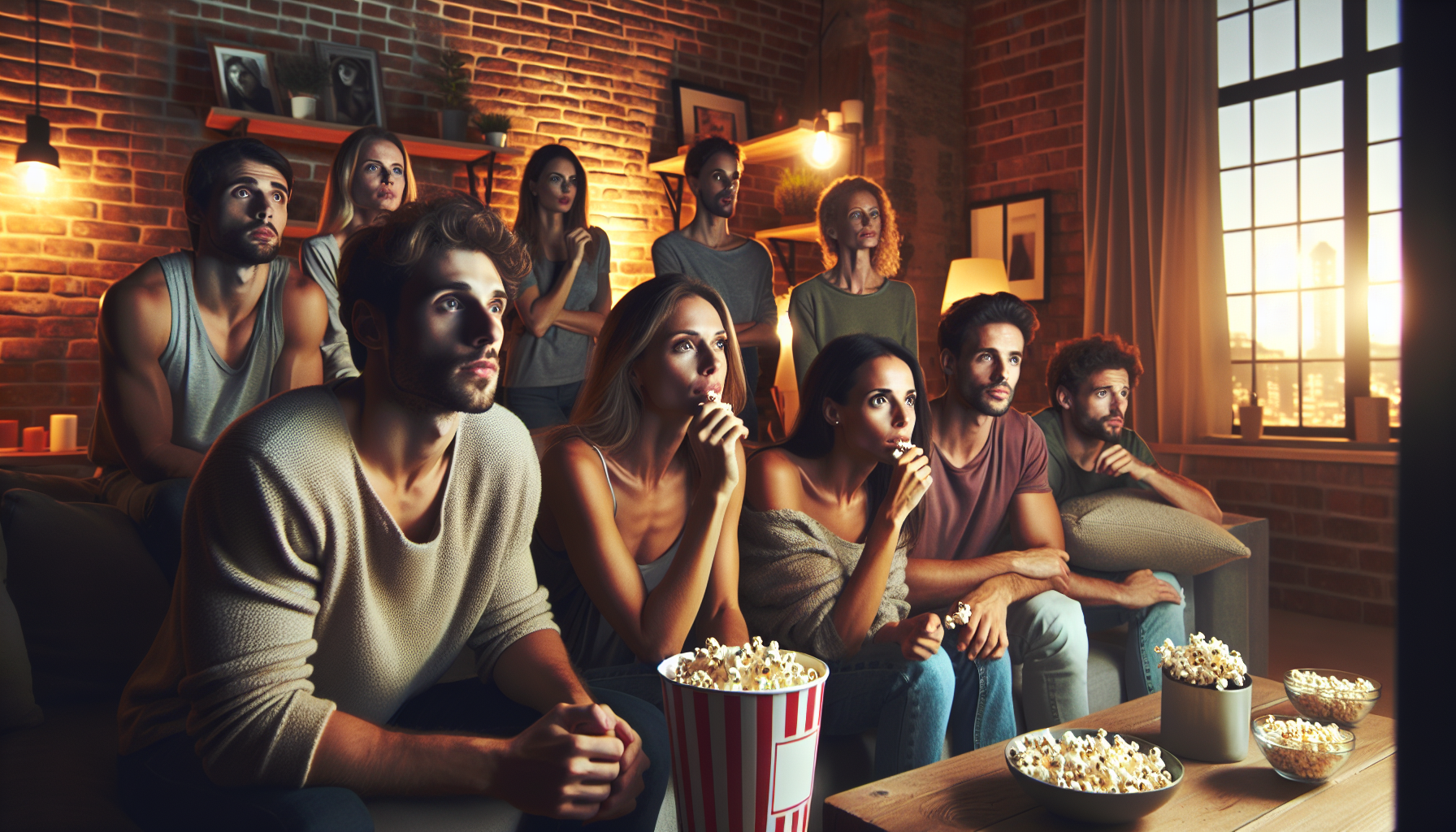
In the world of cinema, horror has always managed to captivate audiences with its ability to evoke fear and suspense. However, as filmmakers explore new techniques to deepen this experience, one element is increasingly coming to the forefront: ambient background noise. This subtle yet effective tool is quietly reshaping the way horror movies create tension, providing an atmospheric depth that enhances both the story and the viewer's emotional involvement. In this article, we'll explore how ambient background noise is being used to elevate tension in quiet horror films and what this means for your next movie night.
Ambient background noise in horror movies adds an additional layer of immersion that can make the experience more engaging for the audience. Unlike traditional jump scares or overt sound effects, ambient noise works on a subconscious level, subtly influencing the viewer's emotional response and heightening the sense of dread. This technique is particularly effective in quiet horror films, where silence itself becomes a character. By understanding the impact of ambient noise, audiences can appreciate the more nuanced aspects of filmmaking that contribute to a movie's overall atmosphere.
Understanding Ambient Background Noise in Film
Ambient background noise refers to the sounds that naturally occur in a scene's environment. These sounds can include the rustle of leaves, distant thunder, or the faint hum of city life. In horror films, these noises are carefully designed and manipulated to build tension without drawing attention to themselves.
- Why It Works: Ambient noise creates a realistic and immersive environment that makes the on-screen events feel more believable. It can subtly suggest to the audience that something is amiss, triggering an emotional response before a visual cue ever appears.
For example, the sound of a creaking floorboard might suggest an unseen presence lurking nearby, prompting viewers to anticipate what might come next. Filmmakers often use these noises to guide emotional responses, ensuring the audience remains engaged even during seemingly uneventful moments. Common pitfalls include overloading a scene with too much noise, which can detract from its intended effect. To avoid this, filmmakers often employ a minimalistic approach, allowing silence to punctuate moments of tension.
The Role of Sound Design in Building Tension
Sound design is a critical aspect of filmmaking, particularly within the horror genre. It's the art of crafting audio elements that complement the visual story and engage the audience's senses. In quiet horror, sound design focuses heavily on ambient noises to create an unsettling atmosphere.
- Steps to Effective Sound Design: Identify key moments where tension needs to be heightened, choose sounds that complement the visual elements, and adjust audio levels to create a balanced mix that enhances the narrative.
Sound designers often collaborate with directors to ensure that the audio supports the film’s pacing and emotional beats. A common technique is using a low-frequency rumble or drone to create a sense of unease. This is effective because these sounds are often felt as much as they are heard, resonating with the audience on a subconscious level. A mistake to avoid is using sounds that are too recognizable, as this can break the immersion and remind the audience they're watching a film, rather than experiencing a real situation.
“”
— Sound Designer
Real-World Examples of Ambient Noise in Horror
Several contemporary horror films have successfully utilized ambient noise to build tension and enhance the audience experience. Movies like "A Quiet Place" and "The Witch" are prime examples of how ambient sounds can act as pivotal storytelling tools.
- "A Quiet Place": This film uses ambient noise to underscore the importance of silence. The absence of traditional dialogue heightens every creak and rustle, making the quiet moments profoundly tense.
- "The Witch": Set in a remote wilderness, the film uses natural sounds like wind and distant animal calls to create an eerie atmosphere that reflects the characters' isolation and fear.
These films demonstrate how ambient noise can elevate a horror film beyond standard scare tactics. However, the key is subtlety—these sounds should complement the narrative rather than overshadow it. Filmmakers must strike a balance to maintain the desired level of tension without overwhelming the audience with noise.
Creating Your Own Atmospheric Horror Experience
You don't need to be a filmmaker to appreciate the power of ambient noise in horror. For your next movie night, pay close attention to how sound is used to enhance the experience. Consider watching films known for their sound design, and try to identify the ambient noises that contribute to the tension.
- Tips for Viewers: Choose a quiet environment to watch your movie, use quality speakers or headphones for optimal sound, and focus on the subtle audio cues that enhance the story.
Experiment with different movie genres to see how sound design varies across styles. By doing so, you'll gain a deeper appreciation for the art of sound in film and how it impacts your viewing experience. Remember, the goal is to enhance your enjoyment, not to analyze every detail—let yourself be immersed in the atmosphere the filmmakers have crafted.
In conclusion, ambient background noise is a powerful tool in quiet horror films, capable of intensifying tension and immersing audiences in the narrative. By focusing on this often-overlooked element, you can enrich your understanding of film and enjoy a more engaging viewing experience. Start by exploring one or two films known for their sound design and gradually build your appreciation for the subtleties of ambient noise. Over time, you'll find that your movie-watching habits become more enriched and rewarding, as you discover the hidden layers of artistry that make horror films so captivating.
Further Reading
For more on this topic, explore: The Hollywood Reporter, Rolling Stone.