Forgotten Silent Film Techniques Reviving in Experimental Shorts
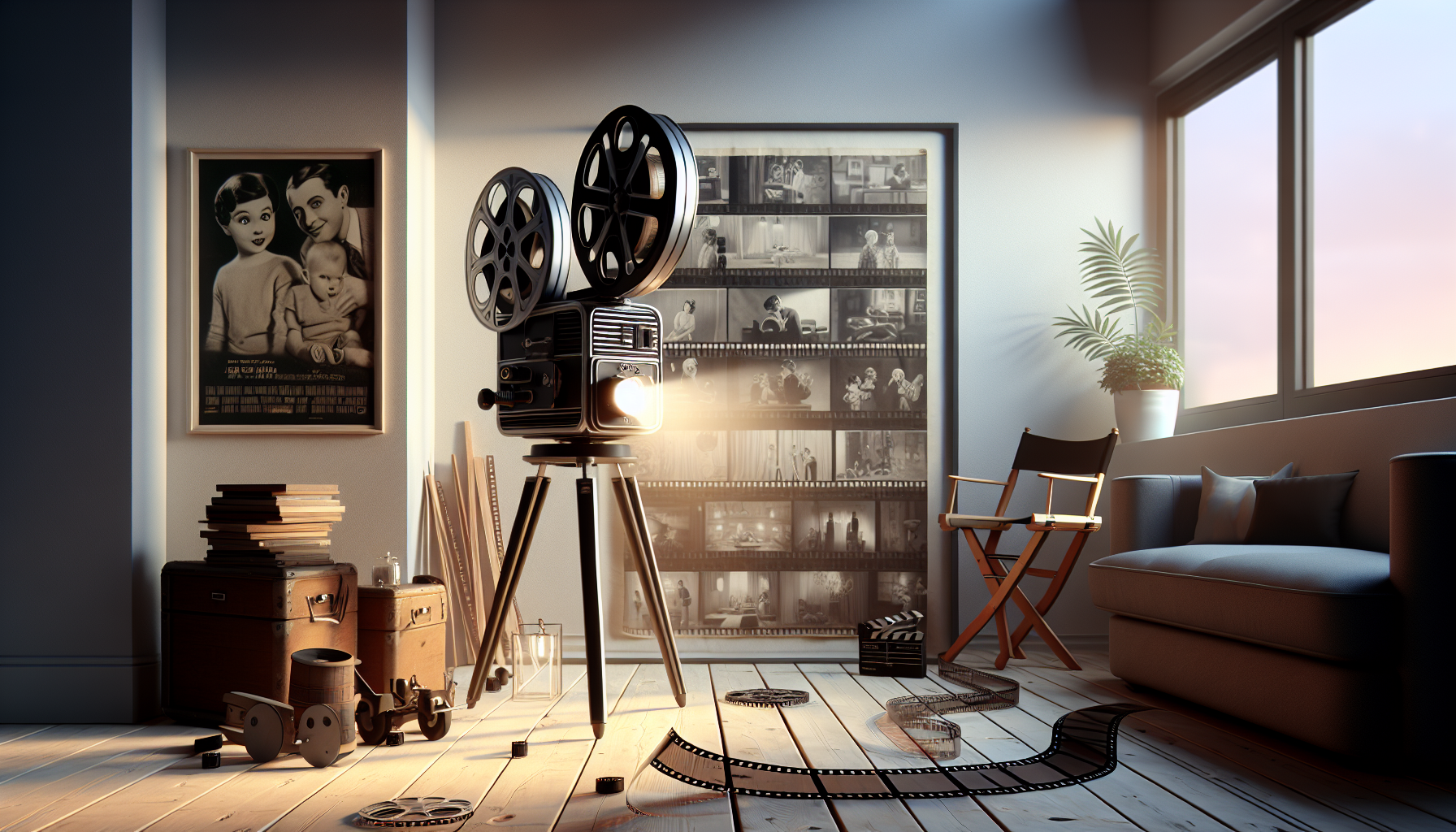
In today's fast-paced world of digital media, the allure of silent film techniques is finding its way back into the spotlight through experimental shorts. As filmmakers seek innovative ways to tell stories, they are turning to the nuanced artistry of early cinema to captivate audiences in a fresh yet nostalgic manner. This article explores how these forgotten silent film techniques are being revived, offering filmmakers and enthusiasts alike a toolkit of unique visual strategies that enrich storytelling without relying on spoken dialogue.
Understanding the significance of silent film techniques in contemporary cinema isn't just about appreciating history; it's about discovering timeless methods that can enhance modern filmmaking. By integrating elements such as expressive acting, visual composition, and creative use of intertitles, filmmakers can create compelling narratives that engage viewers on a sensory level. These techniques offer sustainable benefits by encouraging resourcefulness and creativity, often resulting in productions that are cost-effective yet rich in artistic expression.
Expressive Acting: The Power of Non-Verbal Communication
One of the most striking elements of silent films is the emphasis on expressive acting, where performers relied heavily on body language and facial expressions to convey emotion and intent. This approach can be incredibly effective in experimental shorts, allowing filmmakers to communicate complex ideas without dialogue.
- Focus on facial expressions: The eyes and mouth can tell a story without words. Practice subtle variations to convey a wide range of emotions.
To master expressive acting, filmmakers can study performances by silent film icons like Charlie Chaplin or Buster Keaton, who mastered the art of visual storytelling. Avoid over-the-top expressions which can seem insincere; instead, aim for authenticity by working closely with actors to develop a nuanced performance.
Visual Composition: Crafting the Perfect Frame
Silent films often relied on meticulously crafted compositions to guide the viewer's eye and emphasize narrative elements. This technique remains relevant, offering filmmakers a way to enhance storytelling through powerful, visually striking images.
- Use of symmetry and geometry: Positioning subjects and objects within the frame to create balance and harmony can lead to visually satisfying scenes.
Filmmakers should experiment with lighting, shadow, and camera angles to craft dynamic compositions. Common mistakes include cluttered frames or poor lighting, which can distract from the intended focus. A clean, well-lit frame with a clear focal point ensures the audience's attention is where it needs to be.
"As a longtime cinematographer observes: 'A perfectly composed frame is a silent director's greatest tool.'"
— Professional cinematographer
Intertitles: Reinventing Text in Film
Intertitles, or title cards, were used in silent films to convey dialogue and narrative information. Modern filmmakers can repurpose this technique to add layers of meaning and artistic flair to their projects.
- Strategic placement: Use intertitles sparingly to enhance, not overwhelm, the visual storytelling. Each title should serve a specific purpose, either clarifying a plot point or adding thematic depth.
Today's filmmakers can play with typography and design to create intertitles that complement the film's aesthetic. Avoid overly complex fonts or lengthy text that detracts from the visual experience. Instead, choose clear, concise wording and design that enhances the film's mood.
Music and Sound: The Emotional Undercurrent
While silent films lacked synchronized sound, music played a critical role in setting the tone and enhancing the emotional depth of the narrative. In current experimental shorts, soundtracks can bridge the gap between silent visuals and modern audiences.
- Dynamic soundscapes: Use music to underscore emotion and rhythm in scenes, selecting compositions that align with the film's emotional arc.
Filmmakers should consider collaborating with composers to create original scores that resonate with the film's themes. It's important to match the intensity and style of the music with the visuals to maintain coherence and impact.
Reviving silent film techniques in experimental shorts opens up a world of creative possibilities for filmmakers. By starting small and incorporating just one or two techniques into their work, filmmakers can gradually expand their repertoire, leading to more innovative and emotionally engaging films. Over time, these techniques can help reduce reliance on dialogue, allowing visual artistry and nuanced performances to speak for themselves. As you explore these methods, remember that the key to successful integration lies in experimentation and adaptation—crafting a personal approach that breathes new life into classic cinematic artistry.
Further Reading
For more on this topic, explore: IMDb, BFI, Rolling Stone.