Forgotten Gentle Movement Practices Making a Comeback in 2026
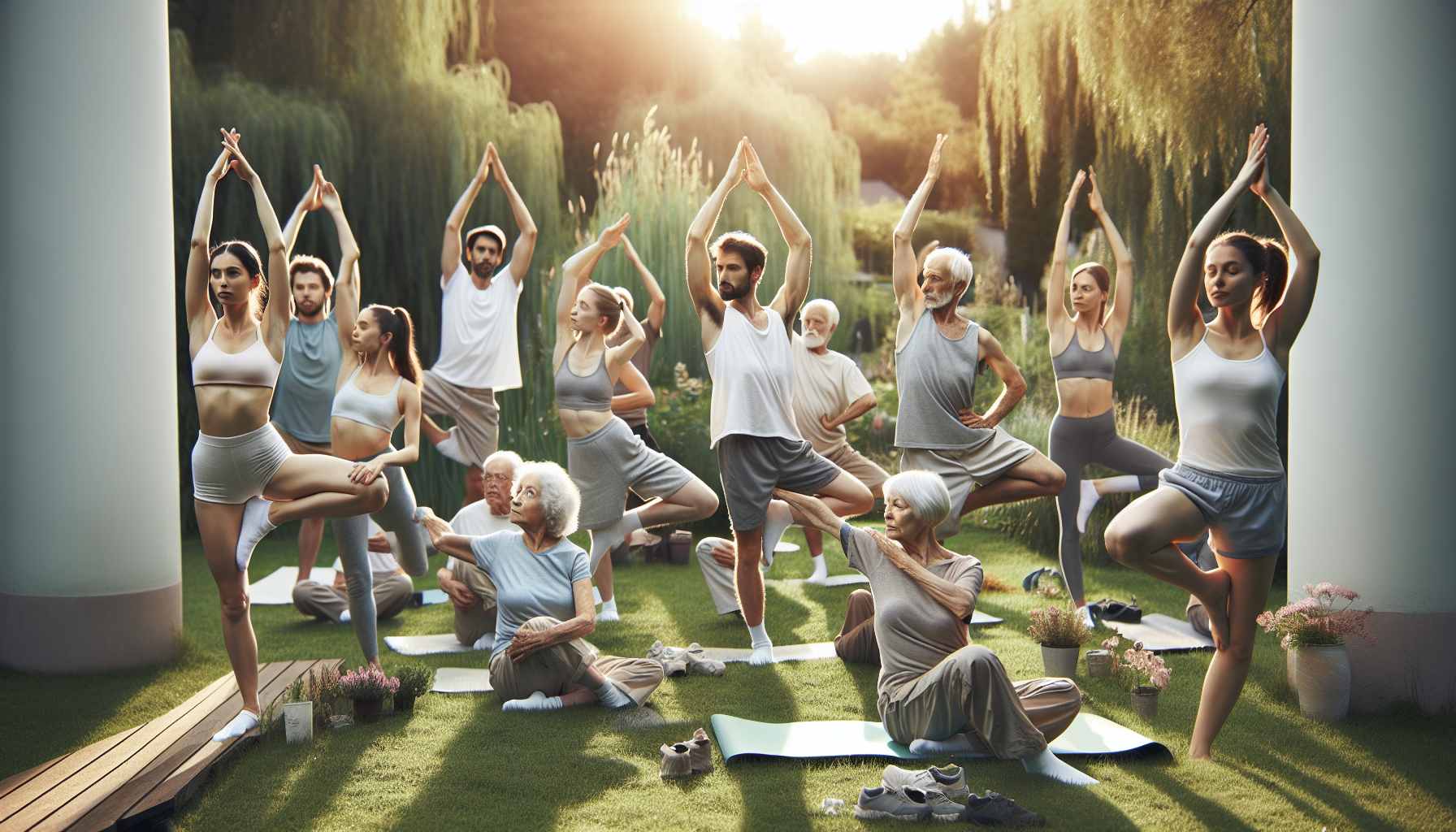
In recent years, there has been a renewed interest in gentle movement practices that provide physical benefits without the intensity of traditional workouts. These forgotten gems are making a comeback in 2026, offering a refreshing approach to wellness that combines mindfulness with movement. This article will explore these practices, sharing their history, benefits, and how you can integrate them into your daily routine for improved physical and mental well-being.
Incorporating gentle movement into everyday life is more important than ever. As we navigate increasingly busy schedules, finding time to nurture our bodies and minds can be challenging. Gentle movement practices offer a sustainable approach to fitness, prioritizing long-term health and well-being over quick fixes. By engaging in these activities, you'll save time, reduce stress, and boost your overall confidence without the strain of high-intensity workouts.
Rediscovering Tai Chi
Originating from ancient China, Tai Chi is a martial art known for its slow, deliberate movements and meditative focus. It offers a unique blend of physical and mental benefits, making it an excellent choice for those seeking a gentle approach to exercise.
- Why it works: Tai Chi emphasizes balance, coordination, and flexibility, which are crucial for maintaining physical health as we age. It also encourages mindfulness, helping practitioners remain present and focused.
- How to start: Begin with a beginner's class or instructional video. Focus on mastering the basic stances and movements before progressing to more advanced sequences.
When practicing Tai Chi, it's important to wear comfortable, loose-fitting clothing that allows for a full range of motion. Choose a quiet, open space to practice, ensuring you won't be disturbed. Common mistakes include rushing through movements or becoming overly focused on achieving perfection. Instead, prioritize fluidity and relaxation.
Embracing Qi Gong
Qi Gong is another ancient Chinese practice that focuses on cultivating and balancing life energy, known as "qi." Similar to Tai Chi, it combines physical postures, breathing techniques, and meditation.
- Benefits: Qi Gong enhances energy flow, reduces stress, and improves overall well-being. It's suitable for all fitness levels and can be adapted to individual needs and abilities.
- Getting started: Start with short daily sessions, gradually increasing duration as you become more comfortable. Seek out online resources or join a local class to learn the fundamental techniques.
For optimal results, practice Qi Gong outdoors in a tranquil environment, such as a park or garden. This allows you to connect with nature while reaping the benefits of fresh air and natural light. Avoid common pitfalls like holding your breath or straining to maintain poses; instead, focus on gentle, deep breathing and relaxed movement.
Exploring Feldenkrais Method
The Feldenkrais Method, developed by Israeli physicist Moshé Feldenkrais, is a unique approach to improving human movement and function through increased awareness. It involves subtle movements and guided attention to enhance body awareness and mobility.
- Advantages: This method is beneficial for people with chronic pain or mobility issues, as it promotes more efficient movement patterns and reduces discomfort.
- Initial steps: Participate in a Feldenkrais class or workshop, or explore online resources to familiarize yourself with ATM (Awareness Through Movement) lessons.
When practicing the Feldenkrais Method, it's crucial to avoid any pain or discomfort. Move slowly and mindfully, focusing on small, gentle changes rather than dramatic shifts. A common mistake is to push too hard; remember, the goal is to enhance awareness and ease, not to achieve perfection.
"Gentle movement practices remind us that wellness is a journey, not a race. It’s about nurturing the body with intention and mindfulness."
— Wellness Coach
Incorporating Restorative Yoga
Restorative Yoga is a calming practice that uses props to support the body in restful postures. It’s an excellent way to unwind, offering a meditative experience that replenishes energy and reduces stress.
- Why it’s effective: By focusing on relaxation and deep breathing, Restorative Yoga helps activate the parasympathetic nervous system, promoting healing and recovery.
- How to engage: Join a class or follow online sessions that guide you through a sequence of supported poses. Allow ample time to relax into each posture, focusing on your breath.
Ensure you have the necessary props, such as bolsters, blankets, and blocks, to fully support your body during each pose. Common mistakes include rushing through poses or neglecting proper alignment; prioritize comfort and ease to maximize the benefits.
In summary, forgotten gentle movement practices like Tai Chi, Qi Gong, the Feldenkrais Method, and Restorative Yoga offer invaluable benefits for physical and mental health. By starting with just one or two of these practices, you can gradually transform your well-being, experiencing less stress and more confidence over time. Remember, these practices are about personal growth and adaptation, so feel free to experiment and tailor them to your unique needs and lifestyle. Embrace the journey towards a more mindful and balanced life.
Further Reading
For more on this topic, explore: Architectural Digest, Eater.