Forgotten 80s Synth Patches Making a Comeback in Contemporary Pop
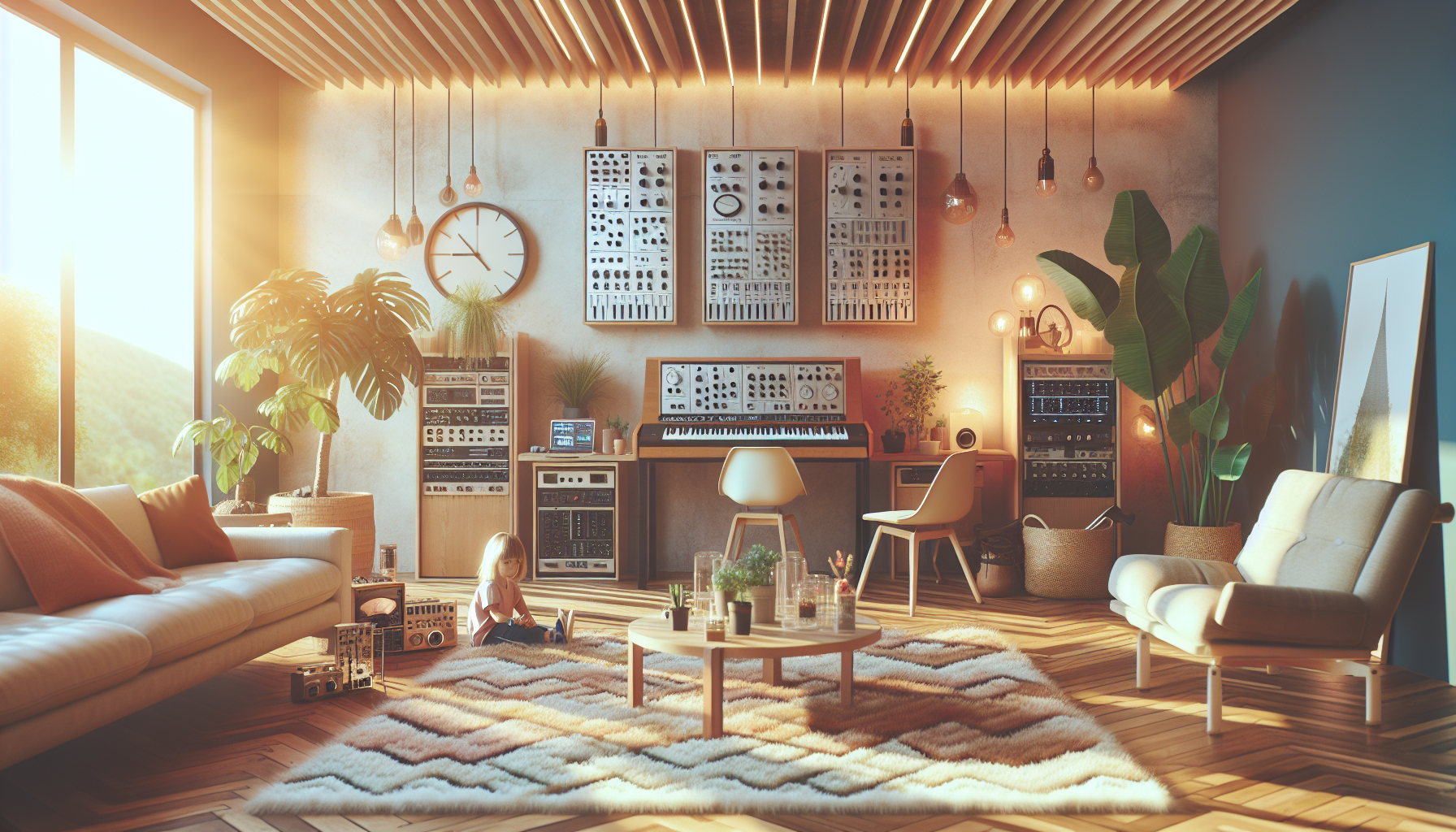
Many music aficionados and producers are finding renewed inspiration in the nostalgic soundscapes of the 1980s, particularly in the realm of synth patches. These once-forgotten sounds are experiencing a comeback in contemporary pop music, bringing a unique mix of retro charm and modern innovation. In this article, we'll delve into why these synth patches are making waves once again and how you can incorporate them into your music production to create freshness with a hint of nostalgia.
The resurgence of 80s synth patches in today's pop music isn't just about nostalgia; it's a testament to their timeless appeal and versatility. These synthesized sounds offer a distinctive sonic texture that can add depth and interest to music productions. Whether you're a seasoned producer or a bedroom music enthusiast, understanding how to effectively use these sounds can save you time, enhance your creativity, and provide a unique edge in a crowded music scene without leaning on gimmicks.
Key 80s Synth Patches and Their Modern Appeal
One of the reasons 80s synth patches are so beloved is due to their expansive and expressive quality. These patches can range from lush, ambient pads to punchy basslines, each bringing its own character to a track. Here are some essential synth patches you might want to explore:
- Juno Pads: Known for their rich, warm texture, Juno pads can fill out the background of a track beautifully, creating an atmospheric soundscape. When choosing a Juno pad, look for ones with a subtle chorus effect for that classic 80s warmth.
- DX7 Electric Piano: A staple in 80s pop, these bright and shimmering tones can add a nostalgic yet polished touch to melodies. To use them effectively, consider layering them with a soft pad to balance their brightness.
- Roland TB-303 Bass: Famous for its acid house sounds, the TB-303 can provide a driving bassline with a distinctive squelch. Experiment with filter settings to find the sweet spot for your track.
It's important to use these sounds judiciously. One common mistake is overloading a track with too many retro elements, which can make it sound dated rather than nostalgic. Instead, use these synth patches as highlights to complement and contrast modern production elements.
Incorporating 80s Synth Patches into Contemporary Tracks
Incorporating 80s synth patches into modern tracks requires a balance between maintaining the integrity of the original sound and ensuring it fits within today's production standards. Here are some practical steps to achieve this:
- Merging with Modern Textures: Blend synth patches with contemporary samples or effects to create a hybrid sound. For instance, layering a classic 80s pad with a modern trap beat can yield a fresh take on pop.
- Adjusting Dynamics: Use compression and EQ to tailor the dynamic range of these patches, ensuring they sit well in a mix without overpowering other elements.
- Using Automation: Introduce movement and interest by automating filter sweeps or modulation, keeping the sound dynamic and engaging over time.
Producers often fall into the trap of using these synth patches as they were originally intended. To innovate, consider unconventional applications, like using a bass patch as a lead sound or a pad as a rhythmic element.
"The beauty of revisiting old sounds is finding new ways to make them feel brand new," notes a music producer with decades of experience in both analog and digital domains.
— Music producer
Exploring Variations and Avoiding Pitfalls
While many producers are eager to use retro sounds, not all synth patches will suit every type of music. Consider these variations and tips when choosing synth patches:
- Climate and Mood Adaptation: For tracks aiming to evoke a summer vibe, consider using brighter, more resonant patches. Conversely, darker patches might be more suitable for introspective or winter-themed tracks.
- Genre-Specific Choices: While pop and electronic genres naturally embrace synth sounds, genres like indie or folk can benefit from subtle synth layers that add depth without overpowering their acoustic foundations.
Another pitfall to avoid is neglecting the arrangement aspect. Even the best synth patch can fall flat if not supported by a well-thought-out musical arrangement and progression. Don't hesitate to experiment with song structures to find what best complements the synth sounds you choose.
In closing, the revival of 80s synth patches in contemporary pop music underscores their lasting influence and adaptability. By starting small—perhaps incorporating just one synth patch into your next project—you can begin to weave these nostalgic sounds into your own music, enhancing its depth and appeal. Remember, music production is as much about innovation as it is about appreciation of the past. Embrace the long-term benefits of creativity and personal growth that come with experimenting with these timeless sounds, all while maintaining a modern edge.
Further Reading
For more on this topic, explore: Variety, Pitchfork.